
Convection Cooking
Fri Feb 10 2023
- Cooking
Convection Cooking
The debate between conventional and convection ovens has left many home cooks wondering which system is the better choice. At Kelly’s Appliances, we’re here to help you navigate this decision by exploring the pros and cons of convection cooking and its unique advantages. Let’s take a closer look!
What is Conventional Cooking?
Conventional cooking relies on heating elements located at the top and bottom of the oven to cook food. Heat rises naturally, which can result in uneven temperature distribution within the oven cavity. This traditional cooking method is well-suited for recipes that benefit from radiant heat and is often the default choice for baking, roasting, and more.
What Is Convection Cooking?
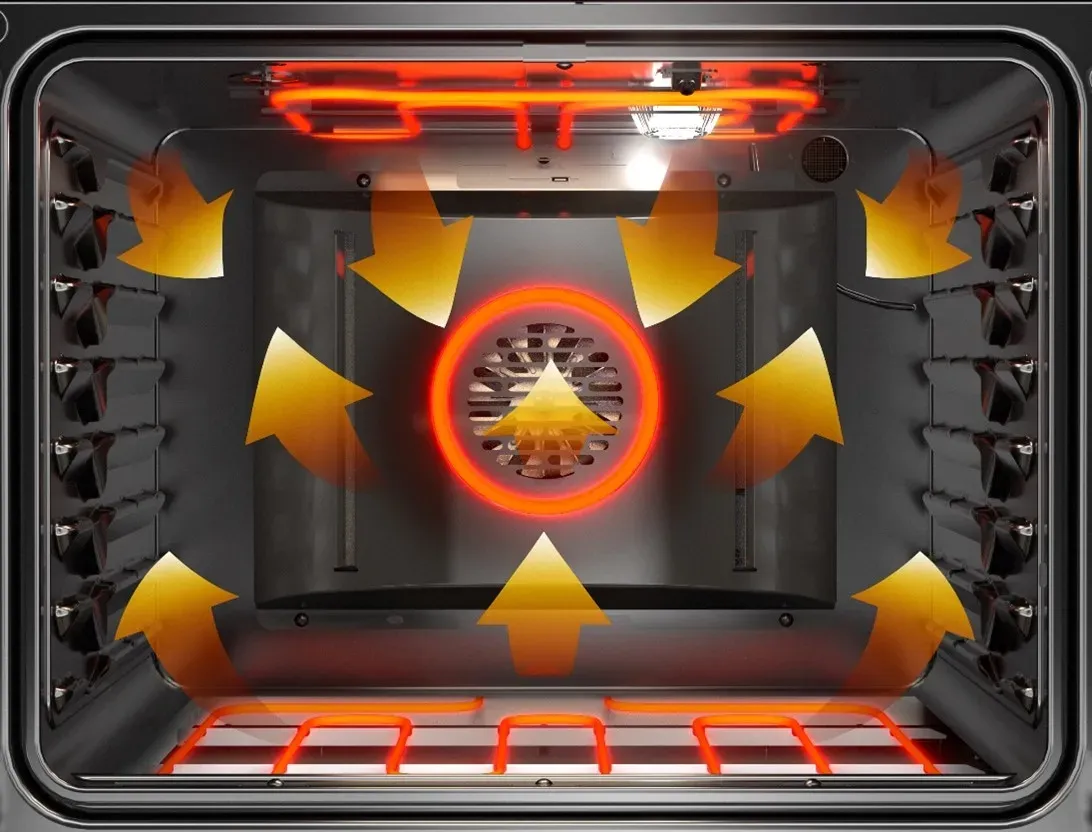
Convection cooking uses internal fans to circulate heat evenly throughout the oven cavity, unlike conventional ovens that rely solely on heating elements located at the top and bottom. While this cooking method may be less familiar to some, its ability to deliver consistent, even results makes it a popular choice among culinary enthusiasts.
Even Temperature Distribution
One common challenge with conventional ovens is uneven heat distribution. In a traditional setup, hot air rises, leaving the upper racks warmer than the lower ones. This can lead to unevenly cooked dishes, especially when preparing multiple items at once. For instance, pans on lower racks may block heat from reaching the top, resulting in inconsistent cooking outcomes.
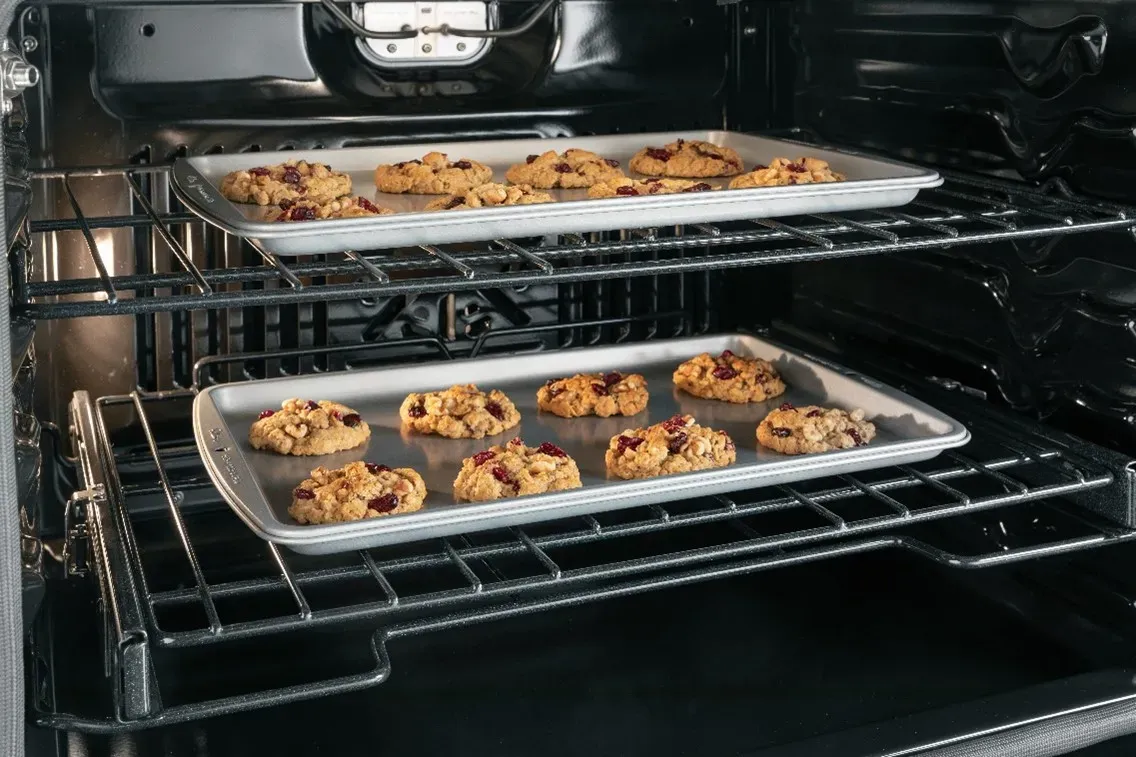
Convection ovens, on the other hand, use circulating hot air to evenly distribute heat across all racks. This reduces the likelihood of undercooked or overcooked food, ensuring reliable results every time.
Things to Keep in Mind
While convection cooking offers numerous benefits, there are a few adjustments to consider:
-
Recipe Adjustments: Most recipes are written for conventional ovens, so you may need to tweak cooking times and temperatures. A general rule of thumb is to reduce the temperature by 25°F or shorten the cooking time by approximately 25%.
-
Learning Curve: Getting used to a new cooking system might take some practice, but the results are worth it.
Benefits of Convection Cooking
Here are some additional advantages that make convection ovens stand out:
-
Less Rotating: Unlike conventional ovens, dishes often don’t need to be rotated between racks.
-
Improved Browning and Crisping: Circulating hot air promotes better browning and crisping, making it perfect for roasting and baking.
-
Faster Cooking Times: The movement of hot air accelerates baking and roasting, helping you save time in the kitchen.
-
Quick Preheating: Many convection ovens preheat faster than conventional models, getting you cooking sooner.
-
Dual Functionality: Modern appliances often include both convection and conventional modes, giving you the flexibility to choose based on your needs.
Finding the Right Oven for Your Needs
Whether you’re preparing elaborate family meals or quick weeknight dinners, the right oven can make all the difference. At Kelly’s Appliances, we offer a wide range of convection, conventional, and dual-function ovens to suit every lifestyle and cooking style. Our team is here to answer your questions and guide you toward the perfect choice.
Stop by one of our locations in Eugene, Salem, Corvallis, or Central Point, or give us a call today. Let us help you make mealtime a breeze with the ideal cooking system for your home.
Related Articles