
How to Clean a Mattress: Step-by-Step Guide
Fri May 08 2026
- Mattresses
Your mattress plays a bigger role in your sleep quality than most people realize. Over time, it collects dust, sweat, dead skin cells, and allergens that can affect both comfort and cleanliness. That’s why understanding how to clean a mattress is an important part of maintaining a healthy sleep environment.
Whether you’re dealing with everyday maintenance or need to deep clean a mattress after stains or odors, a consistent cleaning routine can help extend the life of your bed and improve your sleep experience.
Key Takeaways: Mattress Cleaning Basics
-
Learning how to clean a mattress helps improve sleep hygiene, reduce allergens, and extend mattress life
-
A proper routine includes vacuuming, spot cleaning, deodorizing, and thorough drying
-
Knowing how to deep clean a mattress is essential for removing stains, odors, and buildup over time
-
Regular maintenance can significantly improve comfort and sleep quality
-
A clean mattress supports better overall bedroom hygiene and healthier sleep environments
Why Cleaning Your Mattress Matters
Even if a mattress looks clean on the surface, it can still trap allergens and buildup inside the layers. Without regular care, this can lead to:
-
Increased dust mites and allergens
-
Lingering odors
-
Stains becoming harder to remove over time
-
Reduced mattress comfort and support
Keeping your mattress clean supports better sleep hygiene and helps maintain a fresher bedroom overall.
How Often Should You Clean a Mattress?
For most households, a light cleaning routine every 1-2 months is ideal, with a deeper clean every 6 months.
You may need more frequent cleaning if you:
-
Have allergies
-
Share your bed with pets
-
Experience spills or stains
-
Live in a humid environment
Consistent care makes it easier to keep your mattress in good condition long-term.
Step-by-Step: How to Clean a Mattress
Follow these simple steps to effectively clean a mattress and maintain a fresh sleeping surface.
Step 1: Strip the Bed and Wash Bedding
Start by removing all sheets, pillowcases, and mattress protectors. Wash them in hot water if possible to eliminate dust mites and bacteria.
This creates a clean foundation before you begin cleaning the mattress itself.
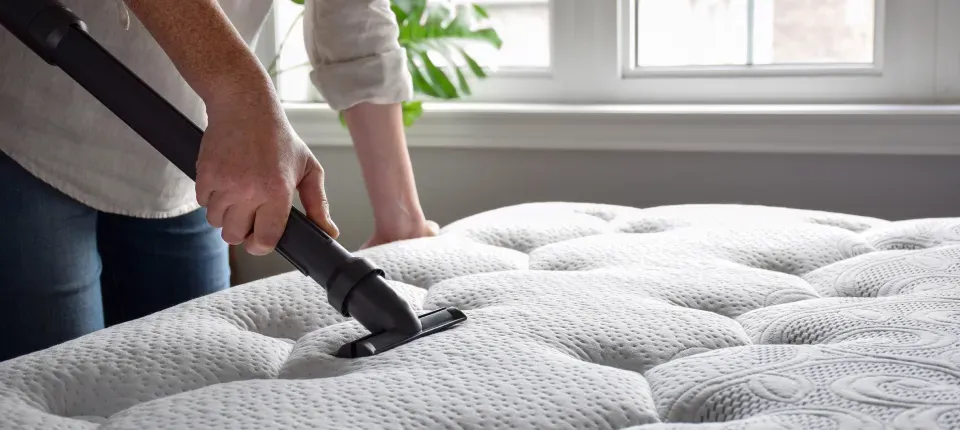
Step 2: Vacuum the Entire Mattress
Use a vacuum cleaner with an upholstery attachment to remove dust, dirt, and debris.
Focus on:
-
Surface areas
-
Seams and edges
-
Crevices where dust collects
Vacuuming is one of the most important steps in learning how to clean a mattress effectively.
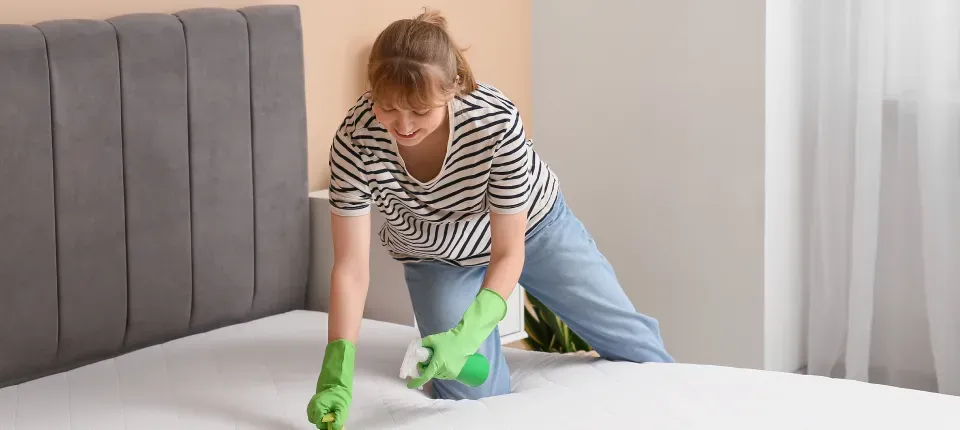
Step 3: Spot Clean Stains
For stains, use a mild cleaning solution such as:
-
A mix of water and gentle detergent
-
Baking soda and water paste for tougher spots
Lightly dab (don’t soak) the stained area with a clean cloth. Avoid excessive moisture, which can damage mattress layers.
Step 4: Deodorize the Mattress
To freshen your mattress, sprinkle a thin layer of baking soda across the surface.
Let it sit for several hours to absorb odors, then vacuum it off completely.
This step is especially helpful when you want to deep clean a mattress without harsh chemicals.
Step 5: Air Out and Dry Thoroughly
Allow your mattress to air out in a well-ventilated room. If possible, open windows or use fans to speed up drying.
Proper drying helps prevent:
-
Mold and mildew growth
-
Lingering moisture odors
-
Damage to internal materials
Mattress Maintenance Tips for Long-Term Cleanliness
Keeping your mattress clean over time is much easier when you build simple habits into your routine. Regular maintenance not only helps you avoid deep cleaning as often but also supports better sleep hygiene and extends the overall lifespan of your mattress.
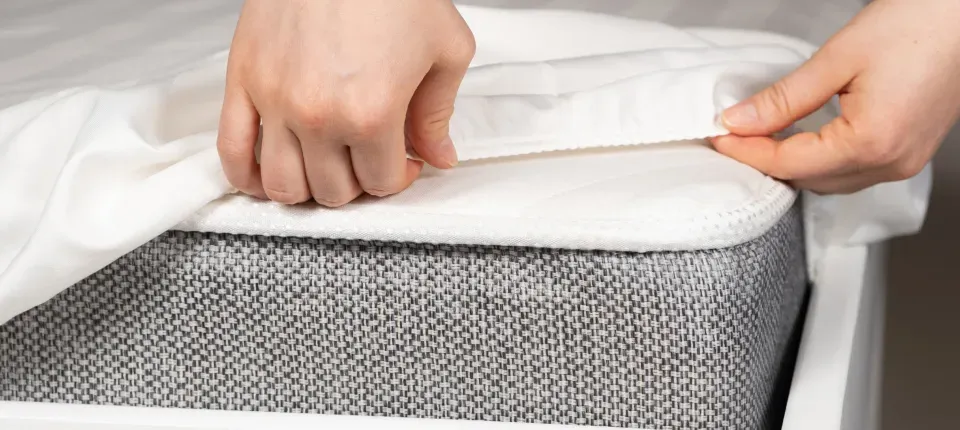
Use a High-Quality Mattress Protector
A mattress protector is one of the most effective ways to keep your mattress clean long-term. It creates a barrier against spills, sweat, dust, and allergens that would otherwise absorb into the mattress layers. Many modern protectors are also waterproof and breathable, so they don’t affect comfort.
Investing in a protector can significantly reduce the need for frequent stain removal or deep cleaning.
Wash Bedding on a Regular Schedule
Your sheets, pillowcases, and blankets collect oils, sweat, and dust over time, which can transfer back onto your mattress. Washing bedding weekly helps maintain a cleaner sleep environment and reduces buildup on the mattress surface.
Using hot water when appropriate can also help eliminate allergens and bacteria more effectively.
Vacuum Your Mattress Frequently
Light vacuuming every few weeks helps prevent dust, pet hair, and debris from settling into the fabric. This is especially important if you have allergies or pets that sleep in the bed.
Pay attention to seams and edges, where particles tend to accumulate the most. Consistent vacuuming reduces the need for frequent deep cleaning.
Rotate or Flip Your Mattress When Recommended
If your mattress is designed to be rotated or flipped, doing so every few months helps promote even wear. This prevents body impressions from forming in one area and supports long-term comfort.
Even if your mattress is one-sided, rotating it head-to-foot can still help distribute pressure more evenly over time.
Keep Your Bedroom Environment Clean
Your mattress stays cleaner when the surrounding environment is clean as well. Dust, allergens, and debris in the bedroom can settle onto your bed over time.
Regular dusting, vacuuming floors, and minimizing clutter can all contribute to a healthier sleep space and reduce mattress contamination.
Avoid Eating or Drinking in Bed
While it may seem convenient, eating or drinking in bed increases the risk of spills, crumbs, and stains that can be difficult to remove. These can also attract bacteria or pests over time.
Keeping food and drinks out of the bedroom helps maintain a cleaner mattress and a more sleep-focused environment.
Allow Your Mattress to Air Out Occasionally
Whenever you change your bedding, take a moment to let your mattress breathe. Allowing airflow helps release trapped moisture and keeps the surface fresher.
If possible, open windows or increase ventilation in the room to support better airflow and odor control.
Why Consistent Mattress Care Matters
Regular mattress maintenance isn’t just about cleanliness, it also supports better sleep quality. A clean, well-maintained mattress provides improved comfort, reduces allergens, and helps your sleep environment stay fresh and healthy.
Over time, these small habits can significantly extend the life of your mattress and improve your overall sleep experience.
Shop Better Sleep Solutions at Kelly’s Home Center
A clean mattress is only part of better sleep, quality support matters too. At Kelly’s Home Center, we offer a wide selection of mattresses designed for comfort, durability, and better rest.
If you’re considering an upgrade to your bedroom setup, our team can help you find the right fit for your sleep style and comfort preferences.
Kelly’s offers mattress showrooms across Eugene, including locations on W. 7th Avenue, Green Acres Rd, and Oakway Rd, as well as multiple additional locations in Salem and Central Point. Visit a Kelly’s showroom to explore mattresses that support better rest, easier maintenance, and long-term comfort.
Related readings from our blog:
FAQs: How to Clean a Mattress
How do you clean a mattress at home?
To clean a mattress at home, start by removing all bedding and vacuuming the surface thoroughly to remove dust and debris. Next, spot clean any stains using a mild cleaning solution or baking soda paste. Finish by deodorizing with baking soda and allowing the mattress to air dry completely. Regular upkeep helps maintain freshness and extend mattress life.
Can you deep clean a mattress yourself?
Yes, you can deep clean a mattress at home using a combination of vacuuming, stain treatment, deodorizing, and proper drying. For deeper sanitation, some mattresses can also be steam cleaned if the manufacturer allows it. Deep cleaning helps remove embedded allergens, odors, and buildup over time. Always ensure the mattress is fully dry before putting bedding back on.
How often should you clean a mattress?
A light cleaning routine should be done every one to two months to keep your mattress fresh and dust-free. A deeper clean is recommended about every six months or sooner if spills, stains, or allergies are a concern. Regular maintenance prevents buildup and improves sleep hygiene. Consistency is key to keeping your mattress in good condition.
What is the best way to remove odors from a mattress?
The most effective way to remove odors from a mattress is by using baking soda, which naturally absorbs and neutralizes smells. Sprinkle it over the surface, let it sit for several hours or overnight, then vacuum it thoroughly. For stronger odors, repeating the process may be necessary. Good ventilation also helps speed up odor removal.
Do mattress protectors really help?
Yes, mattress protectors are highly effective at preventing stains, spills, and allergens from reaching the mattress surface. They act as a barrier that makes cleaning much easier and helps extend the life of your mattress. Many are also waterproof and hypoallergenic for added protection. Using one is one of the simplest ways to maintain mattress cleanliness long-term.
Related Articles