
Induction vs Electric Cooktops: Which Is Better?
Fri Jul 17 2026
- Cooking
For most homeowners who prioritize speed, energy efficiency, and precise cooking control, induction cooktops are the superior choice. However, traditional electric cooktops remain an excellent option for shoppers looking for reliable performance, lower upfront costs, and compatibility with virtually any cookware they already own.
Whether you're replacing an aging cooktop or remodeling your kitchen, choosing between an induction cooktop and electric cooktop is one of the most important decisions you'll make. Both options offer smooth, modern cooking surfaces and are popular alternatives to gas cooking, but they operate very differently and excel in different areas.
Understanding how each technology works, and where each one shines, can help you invest in a cooking appliance you'll enjoy using for years to come.
Key Takeaways: Induction vs. Electric Cooktops
If you're deciding between an induction and electric cooktop, the best choice depends on your cooking habits, cookware, budget, and kitchen goals. Here's what you need to know before making your decision:
-
Induction cooktops heat cookware directly using electromagnetic energy, making them faster, more responsive, and more energy-efficient than traditional electric cooktops.
-
Electric cooktops use heated elements beneath a smooth glass surface and work with nearly all types of cookware, making them a versatile and budget-friendly option.
-
Induction models offer precise temperature control and enhanced safety but require compatible magnetic cookware.
-
Electric cooktops typically cost less upfront and don't require replacing existing cookware in most kitchens.
-
Kelly's Home Center offers a wide selection of induction and electric cooking appliances to help you find the right fit for your home and cooking style.

What's the Difference Between Induction and Electric Cooktops?
At first glance, induction and electric cooktops look remarkably similar. Both feature sleek ceramic or glass cooking surfaces that create a modern appearance and are much easier to clean than traditional coil burners.
The biggest difference lies beneath the surface.
An electric cooktop generates heat using electric heating elements located beneath the glass. Those elements become hot and transfer heat upward to your cookware.
An induction cooktop, on the other hand, never heats the cooking surface directly. Instead, it uses electromagnetic energy to heat compatible cookware itself. Because the pan becomes the heat source rather than the cooktop, cooking is significantly faster and more efficient.
Although both technologies use electricity, they deliver very different cooking experiences.
How Does an Induction Cooktop Work?
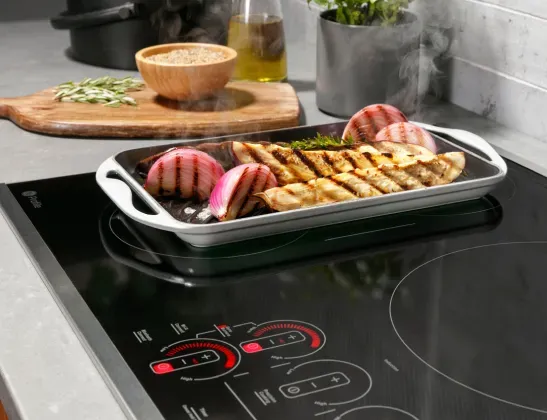
Induction cooking uses electromagnetic coils beneath the glass cooking surface. When compatible cookware is placed on the burner, those coils generate a magnetic field that creates heat directly inside the cookware.
Since the cookware, not the burner, is producing the heat, energy loss is minimized.
This provides several advantages:
-
Faster boiling times
-
Nearly instant temperature adjustments
-
Less wasted heat
-
Improved energy efficiency
-
Cooler cooking surface surrounding the pan
Because heat is generated only when compatible cookware is detected, induction cooking also offers an additional layer of safety compared to other cooking technologies.
How Does an Electric Cooktop Work?
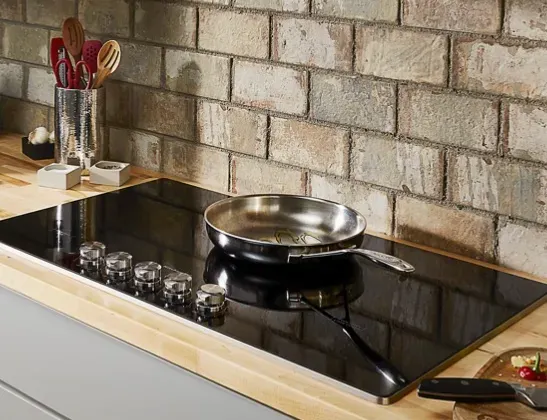
Traditional electric cooktops contain radiant heating elements located underneath a ceramic glass surface. When turned on, these elements heat up and transfer that heat through the glass into your cookware.
Unlike induction, the cooking surface itself becomes hot and remains warm for some time after cooking is finished.
Electric cooktops remain one of the most popular cooking options because they are:
-
Easy to use
-
Compatible with most cookware
-
Widely available
-
Typically more affordable than induction models
For many households, an electric cooktop provides dependable cooking performance with minimal learning curve.
Induction vs. Electric Cooktops: Side-by-Side Comparison
Although both technologies produce excellent cooking results, they differ in several important categories.
Cooking Speed
Winner: Induction
One of induction's biggest advantages is speed.
Because induction transfers energy directly into the cookware instead of heating the cooking surface first, it wastes very little energy during the cooking process. Water boils noticeably faster, pans reach cooking temperatures more quickly, and meals can often be prepared in less time.
This quicker response is especially helpful for busy households that prepare multiple meals throughout the week or frequently cook on weeknights.
Electric cooktops still provide reliable performance, but they generally require more time to heat up and cool down. If you're accustomed to cooking on traditional electric burners, the slower response may feel familiar, but it doesn't offer the same level of efficiency as induction.
Energy Efficiency
Winner: Induction
Induction is widely recognized as one of the most energy-efficient cooking technologies available today.
Since heat is transferred directly into the cookware, very little energy escapes into the surrounding kitchen. This not only improves cooking performance but can also reduce wasted electricity over time.
Electric cooktops lose more heat because energy must first warm the heating element and then the glass surface before reaching the cookware. While still considered efficient compared to older coil burners, they simply cannot match induction's direct heat transfer.
For homeowners looking to reduce energy consumption or modernize their kitchen with eco-friendly appliances, induction is often the preferred choice.
Temperature Control
Winner: Induction
Precise temperature control can make a noticeable difference when preparing delicate recipes.
Induction cooktops respond almost immediately when you adjust the temperature. If you lower the heat, the cookware responds within seconds, making it easier to simmer sauces, melt chocolate, or prepare recipes that require careful heat management.
Electric cooktops are slower to react because the heating element must cool down before the cookware temperature changes. This delay can sometimes result in overcooking or uneven heat if you're making frequent temperature adjustments.
For home chefs who enjoy cooking from scratch or experimenting with more advanced recipes, induction's responsiveness provides greater confidence and control.
Safety
Winner: Induction
Safety is another area where induction technology stands out.
Because the cooktop itself doesn't generate heat directly, the surrounding surface stays significantly cooler during cooking. Once cookware is removed, the cooking zone cools relatively quickly, reducing the risk of accidental burns.
Many induction cooktops also include safety features such as:
-
Automatic pan detection
-
Auto shut-off
-
Child safety locks
-
Residual heat indicators
-
Overflow protection
Electric cooktops remain safe when used properly, but the glass surface becomes extremely hot during cooking and can retain heat well after the burner has been turned off.
For households with children or anyone looking for added peace of mind, induction offers several meaningful safety advantages.
Cleaning and Maintenance
Slight Advantage: Induction
Both induction and electric cooktops feature smooth glass surfaces that are much easier to clean than traditional coil burners.
Since induction surfaces stay cooler, food spills are less likely to bake onto the glass during cooking. This often makes cleanup quicker and requires less scrubbing after meals.
Electric cooktops can also be cleaned easily, but spills may cook onto the hot surface if they aren't addressed promptly, sometimes requiring specialized cooktop cleaners to remove stubborn residue.
Regardless of which style you choose, wiping the surface after each use helps preserve its appearance and keeps your cooktop performing its best.
Induction vs. Electric Cooktops: Which Is Better for Your Kitchen?
The best cooktop depends on how you cook, what features matter most to you, and what you want from your kitchen appliances. While induction has become increasingly popular because of its speed and efficiency, electric cooktops continue to be a dependable choice for many homeowners.
Before choosing between induction and electric cooking, consider your cooking habits, kitchen design, and long-term priorities.
Who Should Choose an Induction Cooktop?
An induction cooktop is an excellent choice for homeowners who want modern cooking technology, faster performance, and greater efficiency. It is especially appealing for shoppers upgrading their kitchen and looking for a premium alternative to traditional electric cooking.
Induction may be the right choice if you:
-
Want faster cooking times
-
Prefer precise temperature adjustments
-
Value energy efficiency
-
Enjoy cooking frequently
-
Want a safer cooking surface
-
Are designing a modern kitchen
-
Are willing to invest in compatible cookware
Many home chefs appreciate induction because it provides more control over cooking temperatures. Tasks that require precision, such as simmering, searing, or quickly adjusting heat levels, are easier with induction technology.
However, there are a few considerations before purchasing. Induction requires cookware with magnetic properties, such as cast iron or many stainless steel pans. If your current cookware is not compatible, you may need to replace some pieces after upgrading.
Who Should Choose an Electric Cooktop?
Electric cooktops remain a popular option because they provide dependable performance, easy operation, and broad cookware compatibility. For many homeowners, they offer the right balance of convenience and affordability.
An electric cooktop may be the better choice if you:
-
Want a lower upfront cost
-
Prefer using your existing cookware
-
Are replacing an older electric cooktop
-
Want simple, familiar operation
-
Need a reliable everyday cooking solution
Electric cooktops are available in a variety of styles and sizes, making them a flexible choice for many kitchen layouts. They also pair well with other electric cooking appliances, including wall ovens and electric ranges.
For homeowners who cook casually or want a practical appliance upgrade without changing their cookware collection, electric remains a strong option.
Important Features to Consider When Choosing a Cooktop
Beyond choosing between induction and electric technology, there are several additional features that can affect your overall cooking experience.
Cooktop Size and Burner Configuration
Cooktop size is an important consideration, especially if you regularly prepare multiple dishes at once.
Larger cooktops may offer additional burners or cooking zones, giving you more flexibility when preparing large meals. Smaller models can be a better fit for compact kitchens, apartments, or homes where countertop space is limited.
Consider how many pots and pans you typically use at one time and choose a configuration that matches your cooking style.
Smart Cooking Features
Many modern cooktops now include advanced features designed to improve convenience and control.
Depending on the model, you may find features such as:
-
Touch controls
-
Guided cooking settings
-
Connected appliance technology
-
Automatic temperature adjustments
-
Timer functions
-
Power boost settings
These features can simplify everyday cooking and help create a more connected kitchen experience.
Installation Considerations
Before purchasing a new cooktop, make sure your kitchen is prepared for installation.
Important factors include:
-
Available countertop space
-
Electrical requirements
-
Existing cooktop cutout dimensions
-
Ventilation needs
-
Cabinet clearance
If you are replacing an existing cooktop, choosing a similar size may make installation easier. However, a kitchen remodel may allow you to redesign your cooking area and upgrade to a larger or more advanced model.
Induction vs Electric Cooktops: Final Comparison
Both induction and electric cooktops offer advantages, but the right choice depends on your priorities.
Choose induction if you want:
-
Faster cooking performance
-
Greater temperature control
-
Improved energy efficiency
-
Advanced safety features
-
A premium cooking experience
Choose electric if you want:
-
Lower initial cost
-
Simple operation
-
Compatibility with most cookware
-
Reliable everyday performance
-
An easy replacement option
For homeowners who prioritize innovation and performance, induction is often the better investment. For shoppers who want dependable cooking at a more accessible price point, electric cooktops remain an excellent choice.
Upgrade Your Kitchen with Cooktops from Kelly's Home Center
Choosing between induction and electric cooking is an important decision, especially when investing in a long-term kitchen upgrade. At Kelly's Home Center, we offer a variety of modern cooking appliances designed to fit different cooking styles, budgets, and kitchen layouts.
Whether you are interested in the speed and precision of induction or the dependable performance of electric cooking, our team can help you compare options and find the right fit for your home.
Explore cooking appliances at Kelly's Home Center and discover cooktops and ranges designed to make everyday meals easier, more efficient, and more enjoyable.
At Kelly's Appliances, you'll find a wide selection of cooking appliances from trusted brands, along with knowledgeable specialists who can help you find reliable cooking appliance solutions for your home. Visit one of our showrooms in Salem, Eugene, Corvallis, or Central Point to experience personalized appliance shopping.
Related readings from our blog:
FAQs: Induction vs Electric Cooktops
Is induction better than electric?
For many homeowners, induction is considered better than traditional electric because it offers faster heating, improved temperature control, and greater energy efficiency. However, electric cooktops remain a great choice for shoppers who want affordability and compatibility with existing cookware. The best option depends on your cooking habits and priorities. Both technologies provide reliable performance for everyday cooking.
What is the main disadvantage of induction cooking?
The biggest disadvantage of induction cooking is that it requires compatible cookware, which may mean replacing some pots and pans. Induction cooktops also typically have a higher upfront cost compared to standard electric models. Some homeowners may also need time to adjust to the faster response and different cooking experience. However, many users find the performance benefits worth the investment.
Do induction cooktops use less electricity than electric cooktops?
Yes, induction cooktops generally use electricity more efficiently than traditional electric cooktops because they transfer heat directly into the cookware. Less energy is lost because the cooking surface does not need to heat up first. This can make induction a more energy-efficient option for homeowners looking to reduce wasted energy. Actual energy savings will vary depending on cooking habits and usage.
Can I use regular pans on an induction cooktop?
Regular pans can only be used on induction cooktops if they contain magnetic materials, such as cast iron or certain stainless steel cookware. Aluminum, copper, and glass cookware typically will not work unless they have a magnetic base designed for induction. A simple magnet test can help determine whether your existing cookware is compatible. If not, induction-ready cookware is widely available.
Are electric cooktops easier to clean than gas cooktops?
Yes, both electric and induction cooktops are generally easier to clean than traditional gas cooktops because they feature smooth surfaces without removable grates or burner components. Induction has a slight advantage because the surface stays cooler, reducing baked-on spills. Electric cooktops still offer simple maintenance with regular wiping and proper cleaning products. Both are excellent options for homeowners who prefer a cleaner, streamlined kitchen design.
Related Articles