
Is an Electric Stove Right for Your Kitchen?
Fri Jul 31 2026
- Ranges
An electric stove is a great fit if you value consistent baking performance, easy cleanup, and simple installation over the instant heat control gas offers. It's the better choice for most everyday cooks, bakers, and homeowners without an existing gas line, though avid high-heat cooks may still prefer gas's faster response time.
If you're deciding between an electric and gas stove, the best choice depends on your cooking style, kitchen setup, and long-term priorities. Electric stoves are popular for their easy maintenance, even baking performance, and simple installation, while gas stoves offer instant flame control that many avid cooks prefer.
Electric stoves have become increasingly popular thanks to their consistent cooking performance, modern designs, and user-friendly operation. Today's models also include advanced features like convection ovens, smart technology, air fry modes, and even induction cooking, making them more versatile than ever before.
Whether you're replacing an older appliance or remodeling your kitchen, choosing the right cooking appliance is one of the most important decisions you'll make. While both gas and electric models can produce excellent cooking results, each offers unique advantages depending on how you prepare meals and what features matter most to you.
Understanding the strengths and tradeoffs of each option can help you invest in a range you'll enjoy using every day. This guide compares electric and gas stoves, explains the pros and cons of electric cooking, and helps you determine which appliance is the best fit for your kitchen and lifestyle.
Key Takeaways: Should You Choose an Electric Stove?
-
Yes, an electric stove is a strong choice if you prioritize easy cleaning, consistent baking, and straightforward installation over instant flame control.
-
Electric stoves offer consistent cooking performance and are easy to operate for everyday meal preparation.
-
Smooth-top electric ranges are simple to clean, while coil models remain an affordable, dependable option.
-
Gas stoves provide immediate heat adjustments and precise temperature control for experienced home cooks.
-
Electric cooktops and electric ranges serve different needs. A range combines an oven and cooktop, while a cooktop is installed separately.
-
Your home's existing utility connections, cooking habits, and kitchen design should all influence your decision.
Gas vs. Electric Stove Comparison
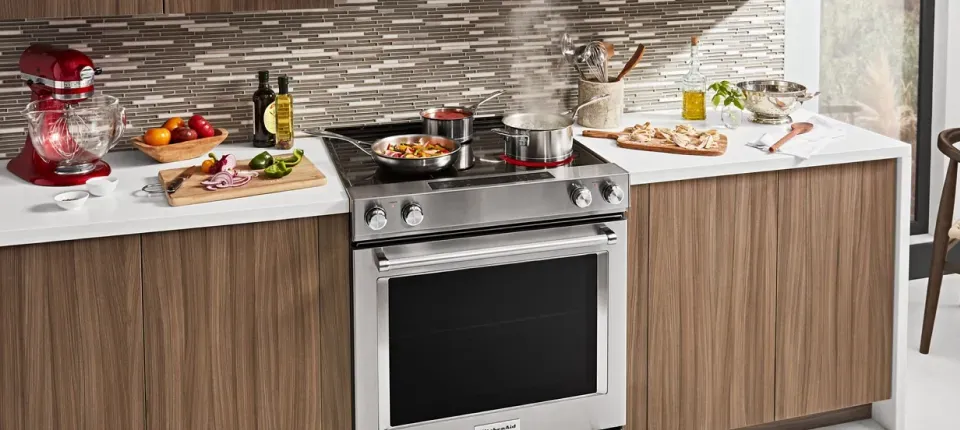
One of the most common questions homeowners ask is whether gas or electric is the better choice. The answer depends largely on your cooking style, maintenance preferences, and the utilities available in your home.
Heat Control
Gas stoves use an open flame, allowing heat to increase or decrease almost instantly. This level of responsiveness is appreciated by many experienced cooks who frequently sauté, sear, or prepare recipes requiring precise temperature adjustments.
Electric burners take slightly longer to heat up and cool down, but modern electric ranges offer consistent temperatures that make everyday cooking simple and predictable. Many homeowners appreciate the steady heat when simmering sauces, boiling water, or preparing family meals.
Baking Performance
Electric ovens are widely recognized for providing even, consistent heat throughout the oven cavity. Because they maintain stable temperatures, they are an excellent choice for baking cookies, cakes, casseroles, and roasted dishes.
Many electric ranges also include convection cooking, which uses a fan to circulate hot air for faster cooking, more even browning, and improved baking results.
Gas ovens can also perform well, but some cooks notice slight temperature fluctuations as the burner cycles on and off
Installation Requirements
Electric ranges typically require only the appropriate electrical connection, making installation relatively straightforward in homes already equipped for electric cooking.
Gas ranges require a natural gas or propane connection in addition to proper ventilation considerations. If your kitchen does not already have a gas line, installation costs may be higher due to the additional utility work required.
Maintenance
Both appliance types require routine cleaning, but electric stoves, particularly smooth-top models, are generally easier to maintain.
Without burner grates or open flames to clean around, smooth glass cooktops can usually be wiped clean after cooking. Gas ranges require periodic cleaning of burner caps, grates, and ports to maintain proper performance.
Electric Stove vs. Electric Cooktop: What's the Difference?
Many shoppers use the terms electric stove, range, and cooktop interchangeably, but they are not the same appliance. Understanding the differences can help you choose the right option for your kitchen layout and cooking preferences.
Electric Stove (Range)
An electric range combines a cooktop and an oven into one appliance. This all-in-one design is the most common option for homeowners because it offers everything needed for everyday cooking in a single unit.
Electric ranges are ideal for:
-
Kitchen remodels
-
First-time homeowners
-
Replacing an existing freestanding range
-
Households that bake frequently
-
Homeowners looking for a straightforward installation
Today's electric ranges are available in freestanding, slide-in, and professional-inspired styles, with a wide range of cooking features to fit different budgets and lifestyles.
Electric Cooktop
An electric cooktop is installed directly into the countertop and does not include an oven. Instead, it pairs with a separate wall oven, allowing for greater flexibility in kitchen design.
Electric cooktops are a great option for homeowners who:
-
Want a custom kitchen layout
-
Prefer separate cooking zones
-
Are designing an island workspace
-
Need more flexibility with oven placement
-
Enjoy a modern, streamlined appearance
Separating the cooktop and oven can improve workflow in larger kitchens and create a more personalized cooking space.
Pros and Cons of Electric Stove Tops
Like any appliance, electric stove tops offer both advantages and potential drawbacks. Understanding these tradeoffs can help you decide whether an electric model aligns with your cooking habits.
Easy to Clean
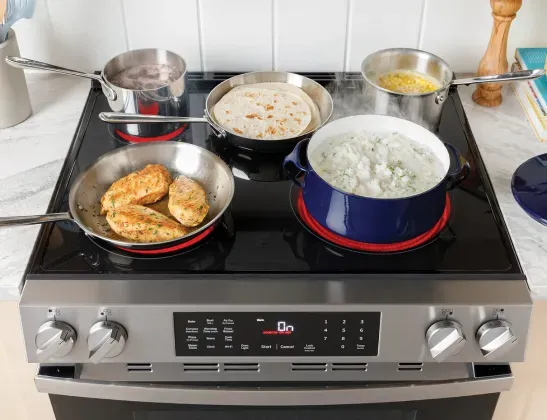
Smooth-top electric cooktops feature a flat glass surface with very few places for food and grease to collect. Most spills can be cleaned with a soft cloth and a cooktop-safe cleaner once the surface has cooled.
This streamlined design not only simplifies maintenance but also contributes to a sleek, modern appearance that complements many kitchen styles.
Consistent Cooking Performance
Electric burners provide steady, even heat, making them well suited for everyday cooking tasks. Whether you're boiling pasta, preparing soups, or simmering sauces, the consistent temperature can help produce reliable results.
For many households, this predictable performance makes meal preparation easier and more enjoyable.
Modern Features
Many of today's electric ranges include features that were once found only on premium appliances.
Depending on the model, you may find:
-
Convection ovens
-
Air fry modes
-
Smart connectivity
-
Self-cleaning cycles
-
Flexible cooking elements
-
Bridge burners
-
Wi-Fi controls
These features can improve cooking versatility while making the appliance easier to use.
Excellent for Baking
Because electric ovens maintain stable temperatures, many home bakers prefer them for cookies, breads, pastries, casseroles, and other baked dishes.
Even heat distribution helps promote more consistent cooking results across multiple oven racks.
Potential Drawbacks of Electric Stove Tops
While electric stoves offer many advantages, there are a few considerations to keep in mind.
One common difference is that electric burners retain heat after they are turned off. While residual heat can be useful for keeping food warm, it also means the cooking surface remains hot for longer.
Electric burners also respond more gradually to temperature changes than gas burners. If you frequently prepare recipes requiring rapid heat adjustments, this may influence your decision.
Finally, smooth glass cooktops require cookware with flat bottoms for optimal performance and should be cleaned using products designed specifically for glass cooking surfaces to help maintain their appearance.
Who Should Choose an Electric Stove?
While both gas and electric appliances can produce excellent results, electric stoves are often the better fit for homeowners who value convenience, consistent cooking performance, and straightforward maintenance.
If any of the following describe your household, an electric range may be the right choice.
You Enjoy Baking
Electric ovens are known for maintaining steady temperatures, making them a favorite among home bakers. Whether you're baking cookies, roasting vegetables, or preparing casseroles, consistent heat helps promote even cooking and more predictable results.
Many electric ranges also include convection cooking, which circulates hot air throughout the oven for faster preheating and improved browning.
You Want Easier Cleaning
If minimizing cleanup is a priority, a smooth-top electric range offers one of the easiest cooking surfaces to maintain. Without removable burner grates or gas ports, most spills can be wiped away once the surface has cooled.
Many models also include self-cleaning oven cycles, making routine maintenance even more convenient.
Your Home Doesn't Have a Gas Line
For many homeowners, choosing an electric range is simply the most practical option. If your home is already wired for electric cooking, replacing an existing range is often simpler and may eliminate the need for additional utility work.
Electric models are available in a wide range of styles and price points, making it easy to find an option that fits your kitchen and budget.
You Want Modern Cooking Features
Many of today's electric ranges include advanced features designed to make everyday cooking more convenient. Depending on the model, you may find smart connectivity, air fry modes, convection cooking, flexible cooking elements, delayed start options, and voice assistant compatibility.
These innovations make electric ranges an attractive choice for homeowners looking to modernize their kitchens while adding everyday convenience.
Cleaning and Maintaining an Electric Stove
Keeping your electric stove clean not only improves its appearance but also helps maintain cooking performance over time. Regular maintenance can prevent baked-on residue, reduce staining, and help your appliance continue operating efficiently.
Clean Spills Promptly
Allow the cooking surface to cool before wiping away spills with a soft cloth or sponge. Addressing spills soon after cooking helps prevent food residue from hardening, making future cleaning much easier.
Sugary spills should be removed as quickly as the manufacturer recommends, as they can permanently damage some glass cooktops if left to cool completely.
Use Cooktop-Safe Cleaners
Smooth glass cooktops should be cleaned using products specifically designed for ceramic or glass cooking surfaces. Abrasive cleaners, steel wool, or harsh scrubbing pads can scratch the finish and reduce the cooktop's appearance over time.
Using the proper cleaner helps preserve the smooth surface while removing grease, fingerprints, and everyday cooking residue.
Inspect Heating Elements
If you own a traditional coil electric range, periodically inspect the heating elements for signs of wear or damage. Make sure the coils are seated properly and replace any damaged components according to the manufacturer's recommendations.
For smooth-top electric ranges, regularly check that the cooking surface remains free of chips or cracks.
Keep the Oven Clean
Food spills inside the oven can create smoke, unpleasant odors, and uneven cooking if allowed to accumulate. Wiping up spills after the oven has cooled and using the self-cleaning feature when appropriate can help keep the interior in good condition.
Following your owner's manual for recommended cleaning methods will help protect the appliance while maintaining peak performance.
Electric Stove Buying Tips
Choosing the right electric stove involves more than selecting a finish or price point. Before purchasing, consider how you cook and which features will provide the most value for your household.
Think About Your Cooking Habits
If you prepare large family meals regularly, look for an oven with generous capacity and multiple rack positions. Frequent cooks may also appreciate features like convection cooking, flexible burner sizes, and bridge elements for oversized cookware.
Choosing a range that matches your cooking style can improve both convenience and efficiency.
Evaluate Available Features
Modern electric ranges offer a wide variety of features, but not every household needs every option. Focus on the features you'll use most often, such as:
-
Convection baking
-
Air fry cooking
-
Flexible dual-size elements
-
Hidden bake elements
-
Self-cleaning cycles
-
Smart connectivity
-
Steam cleaning
-
Sabbath Mode
-
Delay bake and delay start functions
Selecting features that fit your routine can provide better long-term value than simply choosing the most feature-packed model.
Measure Your Space Carefully
Most electric ranges are available in standard 30-inch widths, but compact and professional-size models are also available. Before purchasing, measure the available space carefully, including width, height, and depth, to ensure a proper fit.
Don't forget to account for door clearance, nearby cabinetry, and electrical connections.
Consider Long-Term Value
A range is one of the most frequently used appliances in your home, making durability and reliability important considerations. Investing in quality construction and practical features can provide years of dependable cooking performance.
Instead of focusing solely on the purchase price, think about how the appliance will support your daily routine over the long term.
Find the Right Electric Range at Kelly's Appliances
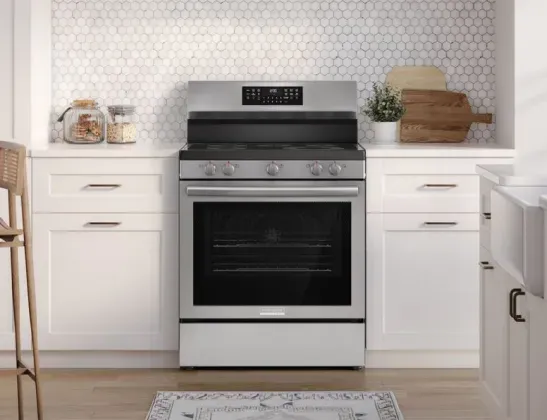
Whether you're replacing an aging appliance or designing a brand-new kitchen, an electric range offers dependable performance, easy maintenance, and features that make everyday cooking more enjoyable. From smooth-top models with sleek styling to advanced ranges equipped with convection ovens and smart technology, today's electric cooking appliances provide solutions for every type of home cook.
At Kelly's Appliances, our appliance experts can help you compare electric, gas, induction, and dual-fuel cooking options so you can choose the appliance that best fits your cooking habits, kitchen layout, and budget. We'll walk you through important features, explain the differences between models, and help you make a confident purchasing decision.
Visit one of our appliance showrooms in Salem, Eugene, Corvallis, or Central Point, or browse our extensive selection of cooking appliances online to find the perfect range for your home.
Related readings from our blog:
FAQs: Pros and Cons of an Electric Stove
Is an electric stove better than a gas stove?
Neither option is universally better, the right choice depends on your cooking style and household needs. Electric stoves are known for consistent baking performance, easy maintenance, and straightforward installation, while gas stoves provide instant flame control and quick heat adjustments. Many homeowners prefer electric for everyday cooking because of its simplicity and modern features. If you enjoy baking or want a low-maintenance appliance, an electric range may be the better fit.
Are electric stove tops good for everyday cooking?
Yes. Modern electric stove tops provide reliable, even heat for boiling, simmering, sautéing, and everyday meal preparation. Many models also include expandable cooking elements that accommodate cookware of different sizes, adding versatility to your kitchen. Combined with features like convection ovens and smart technology, today's electric ranges are designed to meet the needs of most households.
What are the disadvantages of an electric stove?
Electric stoves generally take longer to respond to temperature adjustments than gas models because the heating elements must warm up and cool down gradually. Smooth-top cooktops also require cookware with flat bottoms and should be cleaned carefully to maintain their appearance. However, many homeowners find these tradeoffs are outweighed by easier cleaning, consistent cooking performance, and advanced features available on newer electric ranges.
Is a smooth-top electric stove better than a coil stove?
Smooth-top electric stoves offer a sleek appearance and are typically easier to clean since food and spills can be wiped directly from the flat surface. Coil stoves remain a dependable and budget-friendly option that can be easier and less expensive to repair if a heating element needs replacement. Both styles provide reliable cooking performance, so the best choice depends on your budget, maintenance preferences, and desired appearance.
How long does an electric stove typically last?
A quality electric stove can provide many years of dependable performance when properly maintained. Routine cleaning, following the manufacturer's care recommendations, and addressing minor issues early can all help extend the appliance's lifespan. Investing in a well-built model from a trusted brand also contributes to long-term reliability and consistent cooking performance.
Related Articles