
Do I Really Need a Range Hood? Signs Your Kitchen Needs Better Ventilation
Fri May 15 2026
- Ranges
Cooking appliances are at the center of every kitchen, but without proper ventilation, it can also introduce smoke, grease, moisture, and odors into your home. If you’ve ever noticed lingering smells after cooking or a buildup of grease on cabinets, your kitchen may need better airflow.
So, do you really need a range hood? In most cases, the answer is yes, especially if you cook frequently or use high-heat methods. Understanding how kitchen ventilation works and when to upgrade can help you create a cleaner, more comfortable cooking environment.
Key Takeaways: Kitchen Ventilation Essentials
-
Proper kitchen ventilation removes smoke, grease, heat, and odors from your cooking space
-
A kitchen ventilation fan (range hood) improves air quality and protects cabinets and surfaces
-
Signs you need better kitchen cooking ventilation include lingering smells, grease buildup, and excess heat
-
Different hood types, wall-mount, island, under-cabinet, insert, and downdraft, fit different kitchen layouts
-
Choosing the right kitchen range ventilation solution depends on your space, cooking habits, and design goals
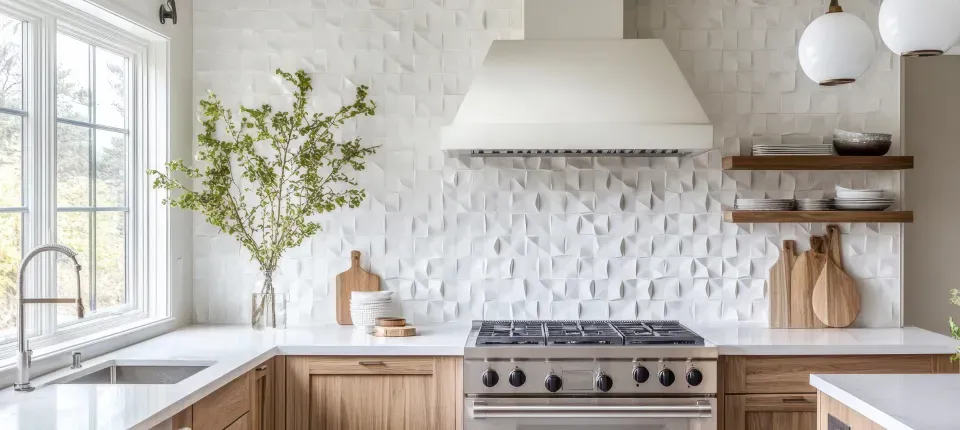
What Does a Range Hood Do?
A range hood is a kitchen ventilation fan designed to remove airborne contaminants produced during cooking. This includes:
-
Smoke from searing or frying
-
Grease particles released into the air
-
Excess heat from burners or ovens
-
Odors from strong ingredients
By capturing and removing these elements, range hoods improve indoor air quality and help keep your kitchen cleaner over time.
Why Kitchen Ventilation Matters
Proper kitchen ventilation is one of the most important, but often overlooked, parts of a functional kitchen. While it may seem like a secondary feature compared to appliances or cabinetry, ventilation plays a critical role in maintaining air quality, protecting your home, and improving your overall cooking experience.
Improves Indoor Air Quality
Cooking releases more than just pleasant aromas. High-heat methods like frying, searing, and sautéing can produce smoke, grease particles, and airborne pollutants. Without proper kitchen cooking ventilation, these contaminants linger in the air and circulate throughout your home.
Over time, this can lead to poor indoor air quality, which may impact comfort and even aggravate allergies. A properly sized kitchen ventilation fan helps remove these particles at the source, keeping the air cleaner and healthier.
Prevents Grease and Residue Buildup
When grease particles aren’t captured by a ventilation system, they settle on nearby surfaces, including cabinets, backsplashes, walls, and even ceilings. This buildup can create a sticky film that is difficult to clean and may damage finishes over time.
Consistent kitchen range ventilation helps trap grease before it spreads, reducing long-term maintenance and preserving the appearance of your kitchen.
Regulates Heat and Improves Comfort
Cooking generates a significant amount of heat, especially when using multiple burners or high temperatures. Without ventilation, that heat gets trapped in your kitchen, making the space uncomfortable.
A range hood helps pull hot air away from the cooking surface, improving airflow and keeping your kitchen more comfortable, especially during longer cooking sessions or in warmer climates.
Controls Moisture and Reduces Humidity
Boiling water, simmering sauces, and steaming foods all release moisture into the air. Without proper ventilation, this moisture can build up and lead to condensation on windows, walls, and cabinets.
Over time, excess humidity can contribute to issues like warped cabinetry, peeling finishes, or even mold growth. A ventilation system helps remove that moisture before it becomes a problem.
Eliminates Odors at the Source
Lingering cooking smells can travel quickly beyond the kitchen and settle into furniture, fabrics, and other rooms. While some odors are pleasant in the moment, they can become overwhelming if they linger for hours or days.
A properly functioning range hood captures and removes odors at the source, helping your home stay fresher overall.
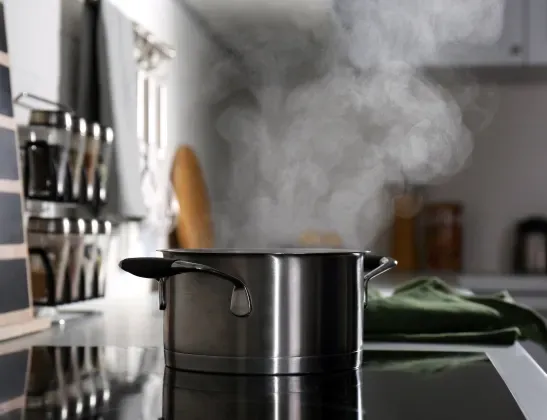
Signs Your Kitchen Needs Better Ventilation
Not all ventilation systems are created equal, and in some kitchens, the existing setup may not be doing enough. If you’re noticing any of the following issues, it may be time to upgrade your kitchen range ventilation.
Lingering Cooking Smells That Don’t Go Away
If you can still smell last night’s dinner hours later, or even the next day, your ventilation system may not be effectively removing odors. This is especially common with strong-smelling foods like fish, garlic, or fried dishes.
Persistent odors are one of the clearest signs that your kitchen ventilation fan isn’t powerful enough or isn’t venting properly.
Grease Buildup on Cabinets, Walls, or Ceilings
Take a closer look at the surfaces around your cooking area. If you notice a sticky film or discoloration on cabinets and walls, grease particles are likely escaping into the air instead of being captured.
Over time, this buildup can become harder to remove and may even damage finishes. Proper ventilation helps prevent this by trapping grease before it spreads.
Excess Heat While Cooking
If your kitchen becomes noticeably hotter when you cook, it’s a sign that heat isn’t being properly vented. This can make cooking uncomfortable and may even discourage you from using your kitchen fully.
A well-functioning ventilation system helps remove excess heat, keeping the space more enjoyable and usable.
Smoke That Lingers or Spreads
Smoke from cooking should dissipate quickly when ventilation is working properly. If it lingers above your cooktop or spreads into other areas of your home, your system may not be strong enough.
This is especially important for households that frequently cook with high heat or oils.
Condensation on Windows or Cabinets
If you notice foggy windows, damp surfaces, or moisture collecting during cooking, your kitchen may not be properly ventilated. This is a sign that steam and humidity are not being removed effectively.
Over time, excess moisture can lead to long-term damage, making ventilation an important preventative measure.
Your Kitchen Feels Stuffy or Poorly Ventilated
Even without obvious smoke or odors, a kitchen that feels stuffy or lacks airflow may benefit from improved ventilation. Poor air circulation can make the space less comfortable and less enjoyable to use.
Upgrading your kitchen cooking ventilation can create a more open, breathable environment.
Types of Kitchen Range Ventilation Systems
Choosing the right kitchen ventilation fan depends on your kitchen layout, cooking habits, and design preferences.
Wall-Mount Range Hoods
Wall-mount hoods are installed against a wall above the range and are one of the most common options.
They are ideal for:
-
Traditional kitchen layouts
-
Ranges positioned against a wall
-
Homeowners who want a visible design feature
Wall-mount hoods often provide strong ventilation performance and can serve as a focal point in the kitchen.
Island Range Hoods
Island hoods are suspended from the ceiling above a cooktop located in a kitchen island.
They are best for:
-
Open-concept kitchens
-
Island cooking setups
-
Spaces where ventilation must be routed through the ceiling
Island hoods often feature powerful fans to compensate for open airflow conditions.
Under-Cabinet Range Hoods
Under-cabinet hoods are installed beneath kitchen cabinets above the range.
They are ideal for:
-
Compact kitchens
-
Budget-friendly upgrades
-
Spaces where cabinetry limits installation options
These hoods offer effective ventilation without taking up additional space.
Insert (Built-In) Range Hoods
Insert hoods are installed inside custom cabinetry or decorative hood enclosures.
They are best for:
-
Custom kitchen designs
-
Seamless, integrated aesthetics
-
Homeowners who want hidden ventilation
Insert hoods combine performance with a clean, built-in appearance.
Downdraft Ventilation Systems
Downdraft systems pull air downward instead of upward, venting it through ducts beneath the floor.
They are useful for:
-
Kitchens where overhead ventilation isn’t possible
-
Island cooktops without ceiling clearance
-
Minimalist designs
While convenient, downdraft systems are generally less powerful than traditional overhead hoods.
Ducted vs. Ductless Range Hoods
Another important consideration is whether your system vents air outside or recirculates it.
Ducted range hoods work by removing air completely from the home and venting it outside. This type of setup is generally considered the most effective option for kitchen ventilation because it directly eliminates smoke, grease, heat, and odors instead of recirculating them. However, ducted systems do require proper ductwork installation, which can make them more complex and better suited for kitchens that are already configured for external venting.
Ductless range hoods, on the other hand, filter air and then recirculate it back into the kitchen. These systems are typically easier to install since they do not require external ductwork, making them a flexible option for many remodels or spaces where venting outside isn’t practical. The tradeoff is that ductless systems rely on filters that must be cleaned or replaced regularly to maintain performance and air quality.
Ducted systems are typically more effective, but ductless options can work well in certain spaces.
How to Choose the Right Range Hood
When selecting a kitchen range ventilation system, consider the following factors:
-
Cooking Style: Frequent high-heat cooking requires stronger ventilation than light, occasional use.
-
Kitchen Layout: Your layout determines whether a wall-mount, island, or under-cabinet hood is the best fit.
-
Ventilation Power (CFM): CFM (cubic feet per minute) measures how much air a hood can move. Higher CFM ratings provide more powerful ventilation.
-
Noise Levels: Some hoods operate more quietly than others. Look for models designed for reduced noise if this is a concern.
-
Design Preferences: Range hoods can be a focal point or blend into cabinetry, depending on your design goals.
Do You Really Need a Range Hood?
In most modern kitchens, a range hood is not just a luxury, it’s a necessity.
If you cook regularly, especially with high heat, oils, or strong ingredients, proper ventilation is essential for:
-
Maintaining air quality
-
Protecting kitchen surfaces
-
Improving overall comfort
Even in smaller kitchens, a kitchen ventilation fan can make a noticeable difference.
Shop Cooking Appliances at Kelly’s Home Center
At Kelly’s Home Center, we offer a wide selection of cooking appliances and can help you choose solutions that support proper kitchen ventilation. Our team can help you find the right setup for your kitchen layout, cooking style, and design preferences.
Upgrade your kitchen ventilation and improve your cooking experience by browsing premium cooking appliances from top brands for all your kitchen needs, including ranges, cooktops, wall ovens, and more.
Visit one of our Kelly’s Appliances showrooms in Salem, Corvallis, Central Point, or one of two Eugene locations on W. 7th Avenue and Green Acres Road, to explore appliances and solutions designed for cleaner, more efficient kitchens.
Related readings from our blog:
FAQs: Do I Really Need a Range Hood? Signs Your Kitchen Needs Better Ventilation
Do all kitchens need a range hood?
Most kitchens benefit from having a range hood because it helps remove smoke, grease, and odors produced during cooking. Even if it’s not required, it can significantly improve air quality and cleanliness. Homes that cook frequently or use high heat especially benefit from proper ventilation. A range hood is a practical addition for both comfort and maintenance.
What is the difference between ducted and ductless ventilation?
Ducted systems vent air outside the home, making them more effective at removing heat, smoke, and odors. Ductless systems filter air and recirculate it back into the kitchen, which can be easier to install. While ductless options work in certain situations, they require regular filter maintenance. Ducted systems generally provide stronger performance.
Are downdraft ventilation systems effective?
Downdraft systems can be effective for light cooking and specific kitchen layouts, especially where overhead ventilation isn’t possible. However, they are typically less powerful than traditional range hoods. They work best in kitchens with minimal smoke or grease production. For heavy cooking, overhead ventilation is usually the better choice.
How do I know what size range hood I need?
The size of your range hood should match or slightly exceed the width of your cooktop. Proper sizing ensures that smoke and grease are effectively captured during cooking. Larger cooking surfaces may require more powerful ventilation. It’s also important to consider CFM ratings for performance.
How often should range hood filters be cleaned?
Filters should typically be cleaned every one to three months, depending on how often you cook. Frequent cooking, especially with grease or high heat, may require more regular cleaning. Keeping filters clean helps maintain airflow and efficiency. Regular maintenance also extends the lifespan of the ventilation system.
Related Articles