
Refrigerator Buying Guide
Fri Dec 26 2025
- Buying Guide
- Refrigerators
Choosing a refrigerator is one of the most important decisions in your kitchen. Your fridge not only keeps your food fresh, but it also impacts energy efficiency, kitchen workflow, and daily convenience. With so many options available, from style and size to features and functionality, it’s essential to know what matters most before making your purchase.
This guide will help you navigate the decision-making process, understand different refrigerator types, and select the best model for your home.

Why Choosing the Right Refrigerator Matters
A refrigerator is more than just a storage appliance. It works every day to preserve fresh food, chill drinks, store frozen items, and keep meals organized. Choosing the right fridge ensures that:
-
Your food stays fresh longer
-
Energy consumption is minimized
-
Daily kitchen routines are more efficient
-
Maintenance needs are reduced over time
Investing in the right refrigerator saves money, reduces food waste, and keeps your kitchen running smoothly.
Step 1: Measure Your Space Carefully
Before exploring features and designs, it’s critical to measure the space where your new fridge will go. Consider:
-
Height, width, and depth: Make sure the refrigerator fits comfortably in the allocated space with extra room for ventilation.
-
Door swing and clearance: Ensure doors can fully open without hitting walls, cabinets, or islands.
-
Pathways and delivery access: Confirm there’s enough space to bring the refrigerator through doors, hallways, or stairways during delivery.
-
Counter-depth vs. standard-depth: Counter-depth models provide a built-in look that aligns with cabinets, while standard-depth models offer more interior storage.
Accurate measurements prevent surprises and ensure a smooth installation.
Step 2: Choose the Right Style for Your Kitchen
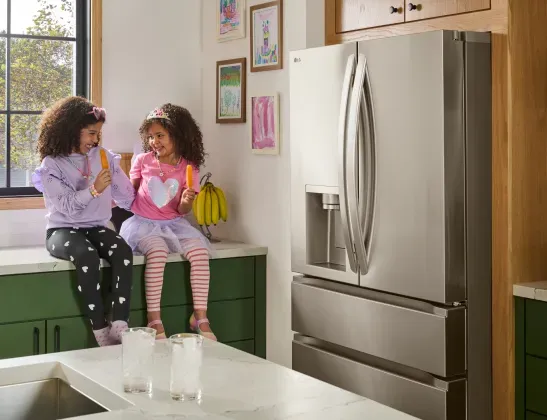
Refrigerator style affects not only storage but also kitchen workflow, accessibility, and overall convenience. Choosing the right configuration ensures you have an appliance that fits your needs and complements your kitchen layout.
Watch Our Fridge Configuration Video »
French-Door Refrigerators
French-door refrigerators combine a top refrigerator with a bottom freezer drawer, offering a premium, user-friendly layout.
-
Wide shelves and flexible storage: Perfect for platters, pizza boxes, and party trays.
-
Door-in-door convenience: Some models allow quick access to drinks and snacks without opening the full fridge.
-
Family-friendly features: Adjustable drawers, humidity-controlled compartments, and larger freezer drawers suit busy households.
Tip: French-door models are ideal for families who entertain often or store lots of fresh produce.
Top Mount (Top Freezer) Refrigerators
Top mount refrigerators are a classic choice known for their simplicity and reliability.
-
Cost-effective and energy-efficient: These models are typically among the most affordable and economical to operate.
-
Ideal for small kitchens: Their compact size and straightforward design make them perfect for apartments, guest kitchens, or as a secondary fridge.
-
Practical layout: The freezer is easy to access for smaller items like ice packs, frozen veggies, or leftovers.
Tip: Top-mount fridges often have fewer moving parts, making them easier and cheaper to repair.
Bottom-Freezer Refrigerators
Bottom-freezer models prioritize fresh-food access, placing the items you use most at eye level.
-
Convenience for daily use: Fruits, vegetables, and beverages are easier to reach without bending.
-
Organized freezer drawer: Pull-out drawers make it easier to sort and access frozen items.
-
Versatility: Many bottom-freezer fridges come with adjustable shelving to accommodate tall bottles and platters.
Tip: Consider a model with a split freezer drawer to separate frequently used items from bulk storage.
Side-by-Side Refrigerators
Side-by-side refrigerators split the fridge and freezer vertically, providing quick access to both.
-
Door clearance advantage: Narrow doors make them easier to fit in tight spaces.
-
Frequent freezer access: Ideal for households that regularly use frozen foods.
-
Convenient dispensers: Many models include ice and water dispensers built into the door.
Tip: Use door bins for condiments and smaller items to maximize shelf space.
Built-In and Specialty Refrigerators
Built-in and specialty refrigerators offer a custom look and purpose-driven functionality.
-
Seamless kitchen integration: Built-in models sit flush with cabinetry for a modern, high-end aesthetic.
-
Specialty options: Includes wine storage, beverage centers, and compact fridges for garages or home bars.
-
Customizable zones: Some specialty refrigerators allow for dual-temperature storage, perfect for wine, cheese, or delicate items.
Tip: Built-in and specialty models are ideal for homeowners focused on design and targeted storage needs.
Step 3: Determine the Right Capacity
Selecting the right capacity ensures you have enough space for your food while keeping the refrigerator efficient.
-
Household size: A family of four typically needs 20-25 cubic feet of refrigerated space, while larger families may require 25+ cubic feet.
-
Shopping and cooking habits: Buy in bulk or frequently entertain? Opt for a larger model or adjustable shelving to accommodate tall and wide items.
-
Interior organization: Look for adjustable shelves, door bins, and drawers that allow you to separate fruits, vegetables, beverages, and large containers.
-
Freezer needs: Consider whether you store mostly frozen meals, bulk meats, or ice, a model with a deep and organized freezer drawer may be essential.
Tip: Choose a refrigerator with flexible shelving and compartments so you can adjust as your storage needs change over time.
Step 4: Prioritize Features That Matter
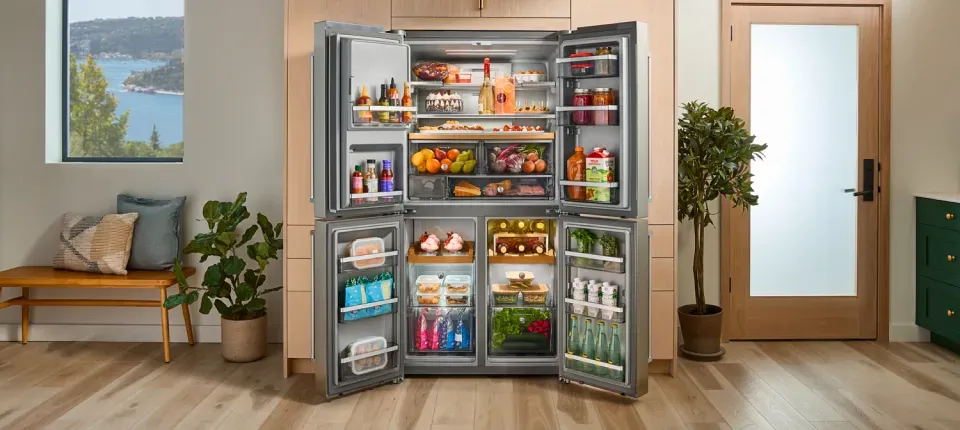
Modern refrigerators come with numerous features, but not all are necessary for every household. Focus on features that improve daily convenience, efficiency, and food preservation.
Essential Features
-
Adjustable shelves and bins: Provides flexibility to store tall bottles, large platters, or party trays.
-
Humidity-controlled drawers: Keeps fruits and vegetables fresh longer, reducing waste.
-
Reliable temperature control: Ensures consistent cooling and freezing, keeping food fresh and safe.
-
Energy-efficient compressors: Save on utility bills and reduce overall energy use.
Convenience Features
-
Water and ice dispensers: Provide easy access but may reduce interior storage space.
-
Door-in-door compartments: Quickly grab frequently used items without opening the full fridge.
-
Smart features: Some models offer temperature monitoring, alerts, or app controls for added convenience.
Tip: Consider your lifestyle first, don’t pay extra for features you won’t use regularly.
Step 5: Focus on Energy Efficiency and Long-Term Costs
Energy efficiency is critical for both saving money and minimizing environmental impact.
-
ENERGY STAR®-certified models: Use less electricity and are built to perform efficiently.
-
Well-sealed doors: Prevent cold-air loss and reduce energy waste.
-
Efficient compressors: Adaptive or inverter compressors adjust to cooling needs, saving electricity and reducing noise.
-
Right-sized unit: Avoid unnecessarily large models; they may consume more energy than needed if underfilled.
Tip: Energy-efficient fridges are a long-term investment, saving hundreds of dollars in electricity over the life of the appliance.
Step 6: Match the Refrigerator to Your Lifestyle
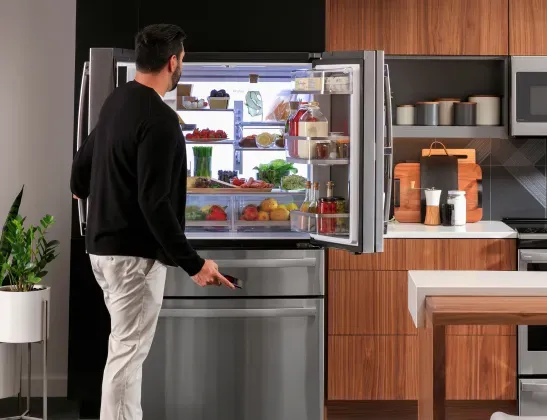
Choosing the right style, capacity, and features ensures your refrigerator fits your household habits.
-
French Door: Best for families who need wide shelves, flexible storage, and frequent entertaining.
-
Top Mount: Great for small households or secondary storage.
-
Bottom Freezer: Perfect for those who prioritize easy fresh-food access.
-
Side-by-Side: Ideal for narrow kitchens with frequent freezer use.
-
Built-In/Specialty: Designed for premium kitchens, wine storage, or beverage-focused areas.
Tip: Think about your shopping habits, cooking frequency, and meal prep routines. A fridge should simplify your daily kitchen workflow, not complicate it.
Why Shop Refrigerators at Kelly’s Home Center
At Kelly’s Home Center, we provide a wide selection of refrigerators to meet every kitchen need. From compact top mounts to luxury built-in and French-door models, we help you find the right appliance for your home and lifestyle. Our knowledgeable team can guide you through choosing the perfect fridge based on size, style, capacity, and features.
Explore durable, high-performance refrigerators and get expert guidance on choosing the right model for your home from top brands, including LG, Whirlpool, GE, Bosch, and more.
Visit us in Salem, Corvallis, Eugene, or Central Point to view the latest refrigerator models in person and see which unit fits your home and budget.
Related readings from our blog:
-
The Top Benefits of Choosing a French Door Refrigerator for Your Kitchen
-
Exploring Refrigerator Styles: Pros and Cons for Your Kitchen
FAQs: Refrigerator Buying Guide
What size refrigerator is best for a family?
Aim for 20-25 cubic feet for a family of four. Adjust up or down depending on grocery habits and meal preparation needs.
Are French door refrigerators better than side-by-side models?
French door models provide wider shelves and flexible storage, while side-by-side models work better in narrower kitchens with frequent freezer access.
Should I prioritize energy efficiency?
Yes. Energy-efficient refrigerators lower electricity costs and reduce environmental impact over time.
Do I need a water and ice dispenser?
Only if you use them regularly. These features are convenient but can reduce interior storage and require a water line.
How much clearance is needed for installation?
Allow at least ½ inch on the sides and top, and about 1 inch behind the fridge. Make sure doors can fully open without obstruction.
What is the main difference between counter-depth and standard refrigerators?
The primary difference is the depth of the unit. Counter-depth models are typically 24–28 inches deep, allowing them to sit flush with your cabinetry for a built-in look. Standard-depth models range from 28–36 inches, offering significantly more interior storage but protruding further into the kitchen floor space.
- Deep Dive: Read our full comparison on counter-depth vs. standard-depth refrigerators.
Related Articles