
How to Choose the Right Range Size for Your Kitchen
Fri Jan 16 2026
- Ranges
Choosing the right range size for your kitchen isn’t just about finding a model that fits, it’s about enhancing your cooking experience, maximizing kitchen workflow, and ensuring your appliance meets your family’s needs for years to come. Whether you’re renovating your kitchen, upgrading to a larger model, or purchasing your first full-size range, understanding how to choose the correct size will help you enjoy better performance, efficiency, and convenience in daily cooking.
In this guide, you’ll learn everything from standard range sizes to factors like kitchen layout, cooking habits, space planning, and future needs to help you choose the right range size for your kitchen.
Why Range Size Matters More Than You Think
Ranges come in a range of sizes, and choosing the wrong one can lead to:
-
Poor kitchen workflow due to inefficient use of space
-
Limited cooking capacity for your household size
-
Missed opportunities for features such as dual ovens or larger burners
-
Unnecessary expenses if you buy a range that’s too large or too small
The right range size ensures your appliance fits the space, supports your cooking style, and enhances your overall kitchen experience.
Standard Range Sizes: What You Need to Know
Kitchen ranges are measured in width and typically come in the following standard sizes:
| Standard Range Sizes | |
| Size | Typical Use Case |
| 20-24 inches | Compact kitchens, apartments, or small households |
| 30 inches | Most common size for standard kitchens |
| 36 inches | Larger families or avid cooks who need extra cooking surface |
| 48 inches and above | Premium kitchens with high-volume cooking requirements |
Understanding these sizes helps you determine what best fits your kitchen’s space and your family’s cooking needs.
Step 1: Measure Your Kitchen Space First
Before choosing a range, it’s essential to measure your available kitchen area. Here’s how:
Measure the Width
-
Start by measuring the width of the opening where the range will go.
-
Consider any trim or adjacent cabinets, a range that’s too wide can cause installation issues.
Measure Height and Depth
-
Check that there’s proper clearance above the range for ventilation or cabinetry.
-
Measure depth to ensure the range won’t stick out beyond surrounding countertops.
Take Note of Clearance Needs
Ranges require clearance on both sides and above the cooking surface for safety and airflow. These specs are often included in the manufacturer’s installation guide but planning ahead prevents costly mistakes.
Tip: Always measure twice and include space for ventilation hoods or over-the-range microwaves.
Step 2: Match Range Size to Cooking Habits
Your cooking habits significantly influence what range size will work best.
Small Household or Casual Shoppers
If you cook simple meals and don’t need large burners or extra oven space, a 20-24 inch range might be perfect. These models are great for:
-
Small kitchens or apartments
-
Households with minimal cooking demands
-
Secondary cooking appliances
Average Household or Everyday Cooking
For most families, a 30-inch range is the sweet spot. This size offers:
-
Multiple burners with varying power levels
-
Ample oven space for casseroles, roasts, and everyday meals
-
Compatibility with standard kitchen layouts
This size strikes a balance between capacity and footprint.
Large Families and Frequent Entertainers
If you frequently cook for guests or prepare multi-course meals, a 36-inch range provides:
-
Larger burner surfaces
-
More flexible cooking configurations
-
Roomier oven capacity
This size is ideal for families that enjoy cooking, baking, and entertaining.
Serious Cooks and Gourmet Kitchens
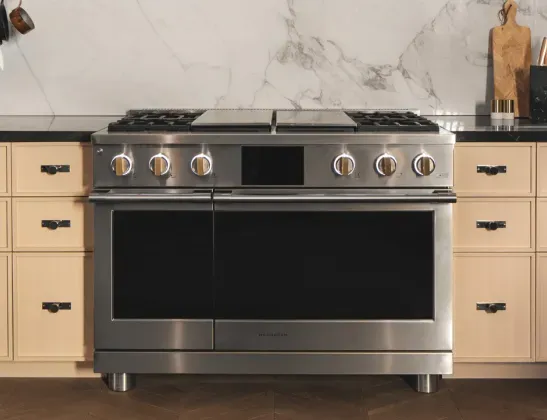
For culinary enthusiasts or gourmet kitchens, 48-inch and above ranges deliver professional-level cooking space, multiple burners, and dual ovens, perfect for holiday feasts and serious meal preparation.
Step 3: Consider Your Kitchen Layout
Your kitchen layout plays a big role in deciding which range size works best.
Galley or Small Kitchens
In narrow kitchens, a smaller range (20-24 inches) helps maintain efficient circulation and prevents crowding.
L-Shaped or U-Shaped Layouts
These layouts often accommodate 30-inch or 36-inch ranges with adequate counter space on both sides, ideal for prep work and cooking.
Open Concept Kitchens
Open layouts can visually handle larger ranges (36 inches and up) and often support premium models with wide cooktops and dual ovens.
Tip: Always leave at least 12-15 inches of countertop space on each side of the range for safety and convenience.
Step 4: Think About Future Needs
Your cooking needs may change over time. Consider:
Family Growth
If you expect your family to grow or entertain more, a larger range offers capacity and flexibility.
Cooking Style
Do you bake often? Love big roasts? Prefer multiple burners for simultaneous cooking? A wider range with high-output burners and an oversized oven can elevate your kitchen experience.
Accessory Compatibility
Some ranges pair with specialized accessories (griddles, grill tops, multi-rack ovens). Make sure the space and size you choose support these upgrades.
Step 5: Match Features With Range Size
Range sizes often dictate available features. Think about which aspects are most important to you:
Burners and Cooking Zones
-
Smaller ranges may have fewer burners but still deliver strong performance
-
Larger ranges often include high-wattage burners, simmer zones, and versatile configurations
Oven Capacity
More wall oven space means you can bake or roast larger dishes, perfect if you:
-
Entertain regularly
-
Cook big family meals
-
Love holiday cooking
Double Ovens or Multifunction Ovens
A wider range size often accommodates double ovens, a huge advantage if you:
-
Bake multiple dishes simultaneously
-
Prepare slow-roasted meats and quick bakes in the same meal
Professional-Style Features
Premium models often include:
-
High-powered burners
-
Convection ovens
-
Heavy-duty grates
-
Integrated griddles
These features deliver performance that home chefs will appreciate.
Step 6: Ensure Proper Ventilation and Installation
Range size isn’t just about width, ventilation matters, too.
Ventilation Hood Size
If you install a hood above your range, make sure:
-
The hood width matches or slightly exceeds your range size
-
You have enough clearance for safe operation
Proper ventilation keeps smoke, steam, and odors under control, especially in open kitchens.
Power Source Compatibility
Ranges may be electric or gas:
-
Electric ranges need proper electrical connections and space behind the unit
-
Gas ranges require proper gas lines and secure installation
Your installer will help ensure the range integrates safely and efficiently with your kitchen setup.
How Kelly’s Appliances Helps You Choose the Best Range
At Kelly’s Appliances, you’ll find a wide selection of ranges in various sizes to suit every kitchen need, from compact models to high-capacity cooking powerhouses. Whether you’re replacing an existing appliance or designing a new kitchen, our team can help you select a range that matches your space, cooking habits, and design preferences.
Visit Kelly’s Appliances to explore sizes, features, and premium cooking appliance models from top brands that suit your lifestyle and space. Our experts are here to guide you through every step, from choosing the right size to professional installation!
Visit us in Salem, Corvallis, Eugene, or Central Point to view the latest range models in person and see which unit fits your home and budget.
Related readings from our blog:
FAQs: How to Choose the Right Range Size for Your Kitchen
What range size is best for a small kitchen?
For compact or apartment kitchens, a 20-24 inch range provides excellent performance without taking up too much space.
Is a 30-inch range the standard size?
Yes, 30 inches is the most common range size, offering versatility for most cooking needs and fitting standard kitchen layouts.
Do larger ranges cook better?
Larger ranges offer more burners and oven space, which helps if you cook frequently, entertain, or need to prepare multiple dishes at once.
Can I install a range in an open kitchen space?
Absolutely, in open layouts, larger ranges (36 inches and above) often become a focal point and provide excellent cooking capacity.
Do I need a special hood for my range?
It’s best practice to match your ventilation hood to your range width for proper airflow and cooking safety.
Related Articles