
Smart Home Appliance Integration and Benefits
Fri Dec 19 2025
- Luxury Appliances
Smart home technology is rapidly transforming how we cook, clean, and manage household tasks with our home appliances. If you want to understand smart home appliance integration and benefits, this guide breaks down how connected appliances work, why they’re worth considering, and the practical advantages they bring to everyday life. Whether you’re upgrading your kitchen, enhancing home efficiency, or building a fully connected home ecosystem, smart appliances can significantly improve convenience, performance, and long-term savings.
What Is Smart Home Appliance Integration?
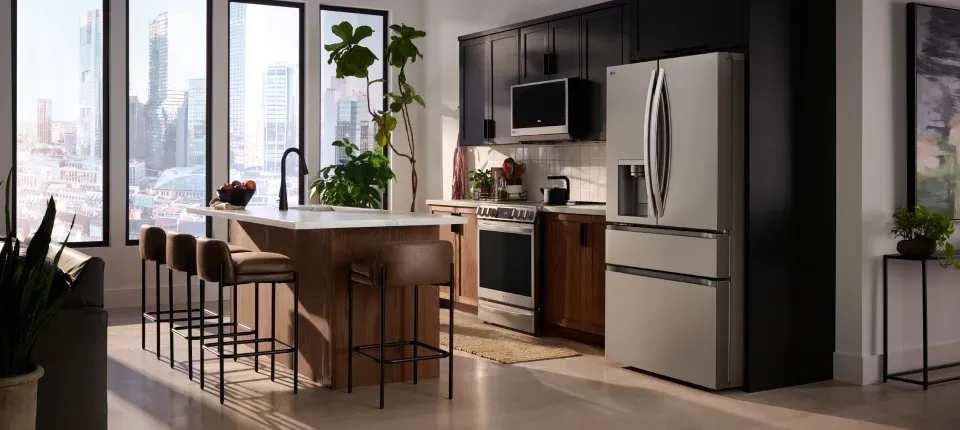
Smart home appliance integration refers to connecting your household appliances, such as dishwashers, refrigerators, ovens, and washers, to a central ecosystem using Wi-Fi, Bluetooth, or smart home platforms. This includes integration with voice assistants like Google Assistant™, Alexa™, and Apple HomeKit®, as well as app-connected systems through brands such as LG®, Samsung®, GE Profile™, and more.
When integrated, appliances can communicate with each other, send alerts, automate tasks, optimize energy use, and give you remote control of many daily functions. This interconnected system creates a streamlined, efficient home experience.
How Do Smart Home Appliances Work Together?
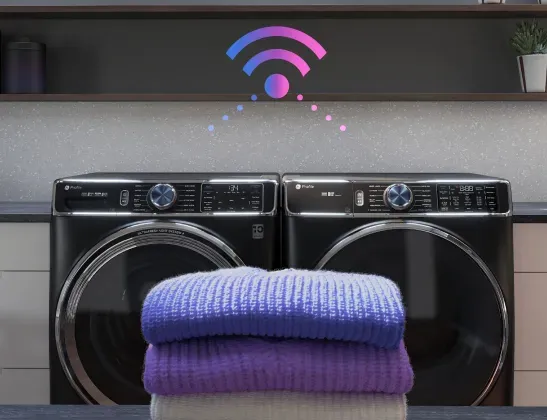
Smart appliances use built-in sensors, communication chips, and software to connect to your home network. Once connected, they can:
-
Sync with mobile apps
-
Communicate with other devices
-
Track usage and performance
-
Send alerts and recommendations
-
Automate tasks based on your routines
This communication creates a “smart ecosystem,” where your appliances work as a cohesive unit rather than standalone machines.
For example:
-
A smart dishwasher can notify you when a cycle is complete.
-
A smart fridge can recommend recipes based on what you have inside.
-
A connected range can preheat with a voice command.
-
A smart washer can sync with your dryer to auto-set the right cycle.
This level of convenience and control is what makes smart appliance integration so appealing to modern homeowners.
Top Benefits of Smart Appliance Integration
The advantages go far beyond app notifications. Smart home appliances offer meaningful, day-to-day improvements in the way you manage your home.
1. Increased Convenience and Control
One of the primary benefits of smart appliance integration is the ability to operate devices anytime, anywhere. Whether you’re at work or relaxing in another room, you can start, stop, adjust, or monitor appliances directly from your phone.
Popular smart appliance convenience and control capabilities include:
-
Preheating your oven on the drive home
-
Checking if you left the fridge door open
-
Receiving a notification when the dishwasher cycle is done
-
Activating a “vacation mode” for large appliances
This level of remote access gives busy households more flexibility and peace of mind.
2. Energy Efficiency and Cost Savings
Smart home appliances are designed to monitor usage and optimize performance, helping reduce electricity and water consumption over time.
These appliance can:
-
Suggest energy-efficient cycles
-
Track long-term usage patterns
-
Adjust performance based on load size
-
Recommend settings that reduce waste
-
Integrate with smart home energy systems
Some smart dishwashers, refrigerators, and laundry appliances can even run during off-peak energy hours, lowering utility bills.
3. Improved Performance and Customization
Smart appliances continually update their systems through over-the-air upgrades, meaning your appliance can get better over time.
Benefits include:
-
New features added through firmware updates
-
Improved cleaning and cooking cycles
-
Personalized performance based on your habits
-
Alerts when maintenance is needed
This makes smart appliances more adaptable and future-ready compared to traditional models.
4. Enhanced Maintenance and Diagnostics
One of the biggest advantages of smart appliances is predictive maintenance. Instead of waiting for a problem to happen, smart systems proactively monitor internal components and alert you before issues become expensive repairs.
Smart diagnostics can detect:
-
Reduced water pressure
-
Blocked filters
-
Temperature irregularities
-
Worn-down components
-
Imbalances in laundry loads
-
Connectivity or software issues
Many brands offer remote troubleshooting, allowing technicians to identify problems before scheduling a service call.
5. Seamless Voice and App Connectivity
Smart appliances integrate with voice assistants such as Alexa™, Siri®, and Google Assistant™, enabling hands-free commands like:
-
“Start the dishwasher.”
-
“Preheat the oven to 350 degrees.”
-
“How much time is left on the washer?”
This makes multitasking easier, especially during busy kitchen routines.
What Smart Kitchen Appliances Offer the Best Integration?
Smart kitchen appliances have evolved far beyond basic connectivity. Today’s models offer powerful integrations with apps, voice assistants, and even other appliances, making the kitchen one of the most impactful places to introduce smart technology. Below are the top smart kitchen appliances that offer exceptional integration and the features that make them stand out.
Smart Refrigerators
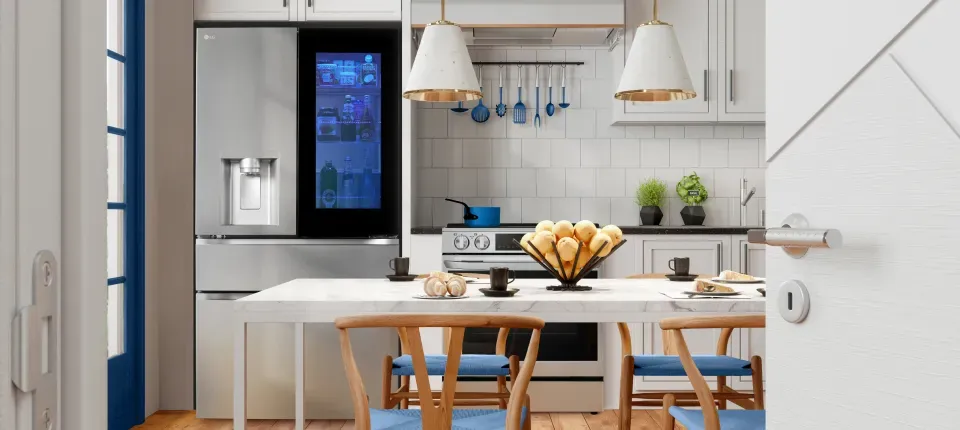
Smart refrigerators have become the centerpiece of many connected kitchens thanks to their multifunctional hubs, advanced sensors, and real-time monitoring features.
Expanded capabilities include:
-
Internal Cameras & Inventory Tracking: Many models allow you to check the inside of your fridge from anywhere. This is especially useful when grocery shopping or planning meals.
-
Smart Food Management: Integrated apps can track expiration dates, suggest recipes based on available ingredients, and remind you when you're running low on frequently used items.
-
Multi-Zone Temperature Control: Smart temperature sensors automatically adjust cooling levels to keep different foods fresher longer.
-
Family Communication Hub: Some refrigerators include digital displays for calendars, notes, timers, and smart home dashboards, turning your fridge into a command center for household planning.
-
Energy Usage Insights: Smart fridges can monitor electricity consumption and notify you automatically if performance dips or if maintenance is needed.
Overall, smart refrigerators offer some of the most advanced and meaningful integrations in the modern kitchen.
Smart Dishwashers
Smart dishwashers provide a combination of convenience, efficiency, and maintenance optimization that helps your appliance last longer and perform better.
Additional integration features include:
-
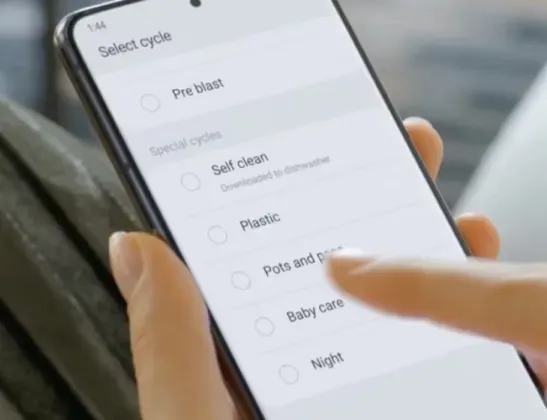
Cycle Customization & Recommendations: Smart sensors analyze soil levels and automatically recommend the most effective and efficient cycle for each load.
-
Remote Monitoring: Track cycle progress, get alerts when it’s time to unload, and run the dishwasher while away from home.
-
Maintenance Alerts: Receive notifications when the filter needs cleaning, the rinse aid is low, or hard-water buildup is detected.
-
Smart Diagnostics: Many dishwashers can run self-diagnostics and send you detailed reports through a mobile app. This helps prevent costly service calls by resolving minor issues in advance.
-
Water Efficiency Optimization: Advanced soil-sensing and load detection help minimize water usage while still delivering powerful cleaning performance.
Smart Ranges and Ovens
Smart cooking appliances significantly enhance precision, safety, and convenience in the kitchen. They integrate seamlessly with apps, recipe platforms, and voice-controlled devices.
Deeper integrations include:
-
Remote Preheating & Temperature Control: Start preheating on your way home or adjust oven settings without being in the kitchen.
-
Guided Cooking & Recipe Sync: Many smart ovens can sync with recipe apps to automatically set cooking times and temperatures. Some even provide step-by-step cooking assistance.
-
Camera Monitoring: Internal cameras (in some models) let you view your food’s progress without opening the door, useful for baking and roasting.
-
Smart Safety Features: Receive alerts if the oven is left on, if burners detect excessive heat, or if cooking is complete. Some apps allow you to shut the oven off remotely.
-
Air Fry, Steam, and Precision Modes: Smart controls allow more precise cooking with specialty modes, ensuring consistent and reliable results.
This integration makes cooking more intuitive, accurate, and energy efficient.
Smart Laundry Appliances
While not part of the kitchen, smart laundry appliances integrate just as well into a connected home ecosystem and deserve attention for their convenience and energy savings.
Enhanced smart features include:
-
Load Sensing & Automatic Cycle Adjustments: Smart washers and dryers can automatically determine the type of fabrics and soil level, then choose the correct wash or dry cycle.
-
Remote Status Updates: Get alerts when cycles finish or when an imbalance occurs, reducing wrinkles and preventing unnecessary wear.
-
Smart Pairing Between Washer & Dryer: Many brands allow the washer to send cycle information directly to the dryer, automatically selecting the correct dry cycle without guesswork.
-
Fabric Protection Features: Smart sensors help prevent over-drying, shrinking, or damage by constantly monitoring temperature and moisture levels.
-
Energy Tracking: Usage data helps you optimize energy consumption over time.
Even outside the kitchen, smart laundry appliances remain an essential part of a fully integrated smart home system.
How to Start Integrating Smart Appliances in Your Home
You don’t need a fully connected house to begin. Many homeowners integrate smart appliances gradually.
1. Choose Appliances That Fit Your Ecosystem
Before buying, decide whether you prefer:
-
Google Home
-
Amazon Alexa
-
Apple HomeKit
-
Brand-specific apps (LG ThinQ®, Samsung SmartThings®, GE SmartHQ™, etc.)
Choosing consistent compatibility ensures smooth connectivity.
2. Install and Connect Using the Brand App
Each smart appliance brand provides a dedicated mobile app that guides you through setup. Most include step-by-step pairing instructions, usage analytics, and remote controls.
3. Use Automations for Better Efficiency
Take advantage of automated tasks such as:
-
Running the dishwasher during off-peak hours
-
Auto-shutting off cooktops
-
Sending reminders for cleaning and filter changes
-
Activating specific modes while you’re away
These automations are what make a smart home truly efficient.
Are Smart Home Appliances Worth It?
Smart appliances are especially valuable for homeowners who:
-
Want improved convenience
-
Prefer greater home control
-
Want to reduce energy usage
-
Enjoy voice-activated technology
-
Value predictive maintenance
-
Prefer appliances that improve over time
While smart appliances may cost more upfront, their long-term savings and everyday convenience often outweigh the initial investment.
Explore Smart Home Appliances at Kelly’s Appliances
If you're ready to enhance your home with smart appliances, Kelly’s Appliances offers a wide selection of connected dishwashers, refrigerators, cooking appliances, laundry appliances, and more. Our team can help you choose the right models for your smart home ecosystem. Explore high-performing smart home appliances and get expert guidance on choosing the right models for your home from top brands, including LG, Whirlpool, GE, Bosch, and more.
Visit us in Salem, Corvallis, Eugene, or Central Point to view the latest smart appliance models in person and see which unit fits your home and budget..
Related readings from our blog:
FAQs: Smart Home Appliance Integration and Benefits
What are the main benefits of smart home appliances?
Smart appliances offer remote control, energy savings, personalized performance, predictive maintenance, and seamless integration with voice assistants.
Do smart home appliances save money?
Yes. Many optimize cycle performance, reduce energy and water usage, and help you run appliances during off-peak hours, leading to long-term savings.
Are smart appliances hard to install?
Most smart appliances are installed similarly to traditional models. Setup is simple and usually completed through a mobile app.
Can I mix different smart appliance brands?
Yes, as long as they support the same ecosystem or offer cross-platform compatibility through apps like SmartThings® or voice assistants.
What appliances should I upgrade first for a smart home setup?
Most homeowners start with smart dishwashers, refrigerators, or laundry appliances due to their daily usage and high convenience value.
Related Articles