
Creating a Cohesive Kitchen Design with Panel-Ready Appliances
Fri Mar 13 2026
- Tips & Tricks
A beautifully designed kitchen feels intentional, balanced, and seamless. One of the most effective ways to achieve that refined, custom look is by incorporating panel-ready appliances. Designed to blend directly with your cabinetry, panel-ready appliances create a cohesive kitchen aesthetic that prioritizes clean lines and visual harmony.
Whether you’re remodeling or building from scratch, understanding how to design with panel-ready appliances can elevate your entire space.

What Are Panel-Ready Appliances?
Panel-ready appliances, often called paneled appliances, are designed to accept custom cabinet panels that match your surrounding cabinetry. Instead of stainless steel or black finishes, the appliance surface blends into your kitchen design.
Common panel-ready appliance options include:
When installed correctly, they create a built-in, integrated appearance that feels high-end and tailored.
Why Choose Panel-Ready Appliances?
Homeowners increasingly prefer paneled appliances because they:
-
Create a streamlined look
-
Reduce visual clutter
-
Highlight cabinetry craftsmanship
-
Support open-concept layouts
-
Increase perceived home value
In modern kitchen design, less visual interruption often results in a more sophisticated atmosphere. Panel-ready appliances allow countertops, backsplashes, lighting, and architectural details to take center stage.
Step 1: Start with a Design Vision
Before selecting appliances, define your kitchen style. Panel-ready appliances work especially well in:
-
Transitional kitchens
-
Contemporary spaces
-
Minimalist designs
-
Traditional kitchens with custom millwork
Consider your cabinetry color, door style, and hardware finish. Since panel-ready appliances mimic cabinet fronts, consistency is key.
Ask yourself:
-
Do I want appliances to disappear or subtly stand out?
-
Will I use matching hardware?
-
What is the overall color palette?
Clarity at this stage ensures your appliance selection supports your design goals.
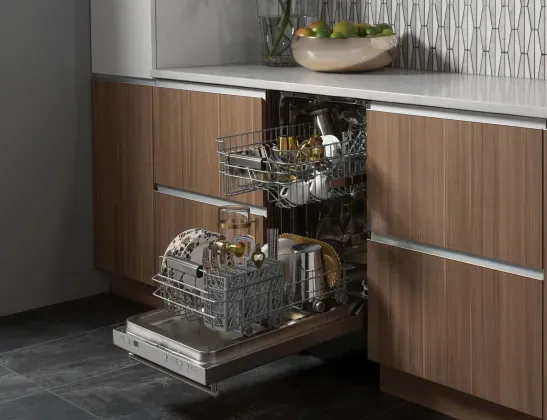
Step 2: Choose the Right Appliances to Panel
Not every appliance must be panel-ready to achieve cohesion. Strategic paneling often includes:
Panel-ready Refrigerators
Refrigerators are the largest visual appliance in the kitchen. Paneling them dramatically reduces visual weight and creates a built-in furniture look.
Built-in refrigerators and column refrigeration are especially popular for panel-ready installation.
Panel-Ready Dishwashers
Dishwashers are positioned at eye level in most kitchen layouts. A panel-ready dishwasher helps maintain uninterrupted cabinetry lines across the lower run of cabinets.
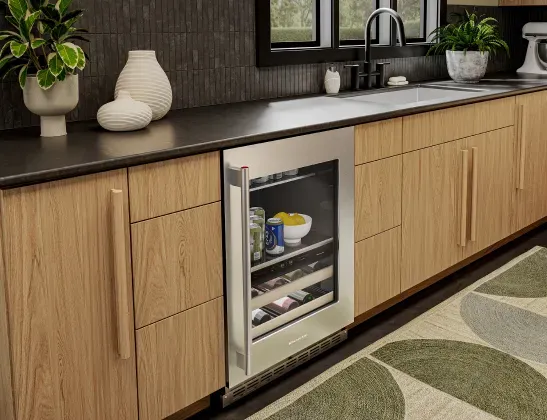
Beverage Centers & Specialty Units
In entertaining spaces, panel-ready beverage refrigerators can preserve the elegance of surrounding cabinetry without introducing mixed finishes.
Step 3: Consider Kitchen Layout and Flow
Panel-ready appliances are most effective when integrated thoughtfully into the kitchen’s layout.
Work Zones
Ensure that panel-ready appliances still support functional cooking zones:
-
Refrigeration zone
-
Prep zone
-
Cooking zone
-
Cleaning zone
While the exterior blends in, interior performance remains just as important.
Balance and Symmetry
Panel-ready appliances contribute to symmetry. For example:
-
A panel-ready refrigerator column paired with a matching freezer column
-
Symmetrical cabinetry framing a built-in appliance wall
These design decisions create visual balance that enhances overall cohesion.
Step 4: Coordinate Hardware for a Seamless Finish
Hardware plays a major role in cohesive kitchen design.
With panel-ready appliances, you can:
-
Match appliance handles to cabinet hardware
-
Use integrated handles for a flush look
-
Choose statement pulls for a subtle accent
Many homeowners opt for matching hardware throughout the kitchen to avoid visual disruption. If your design leans modern, integrated handles maintain clean lines. For traditional spaces, decorative pulls add warmth.
Step 5: Align Finishes and Materials
Even with panel-ready appliances, surrounding finishes matter.
To create harmony:
-
Keep countertop materials consistent across runs
-
Choose backsplash materials that complement cabinetry
-
Maintain cohesive lighting temperatures
-
Avoid introducing too many competing textures
Panel-ready appliances simplify the palette, making it easier to maintain design continuity.
Step 6: Understand Ventilation and Installation Requirements
Panel-ready appliances require careful installation planning.
Built-in refrigeration often requires:
-
Proper ventilation clearance
-
Cabinet depth alignment
-
Professional installation
Working with knowledgeable appliance specialists ensures your panel-ready units perform properly and align flush with cabinetry.
Before purchasing, confirm:
-
Panel thickness requirements
-
Hinge compatibility
-
Cabinet measurements
Proper preparation prevents costly adjustments later.
Benefits of Panel-Ready Appliances in Open-Concept Homes
In open-concept floor plans, kitchens are fully visible from living and dining areas. Stainless steel appliances can sometimes draw too much attention in these layouts.
Paneled appliances:
-
Allow the kitchen to blend into adjacent spaces
-
Create a furniture-like appearance
-
Support cohesive design between rooms
This is especially important in luxury and transitional homes where design continuity matters.
Are Panel-Ready Appliances Worth It?
Panel-ready appliances typically come at a higher upfront investment due to:
-
Custom cabinetry panels
-
Installation requirements
-
Built-in configurations
However, they often deliver long-term value through:
-
Elevated aesthetics
-
Timeless appeal
-
Increased home desirability
-
Reduced trend risk
For homeowners prioritizing design cohesion, the visual impact often justifies the investment.
Common Panel-ready Appliances Mistakes to Avoid
When designing with panel-ready appliances, avoid these pitfalls:
Ignoring Measurement Precision
Even small miscalculations can prevent flush alignment.
Overlooking Ventilation Needs
Appliances still generate heat and require airflow.
Mixing Too Many Design Styles
Panel-ready appliances thrive in intentional, cohesive design schemes.
Choosing Panels That Don’t Match Perfectly
Color and finish inconsistencies will disrupt the seamless effect.
Working with professionals helps prevent these issues.
Panel-ready vs. Stainless Steel: Which Is Right for You?
If you prefer:
-
A professional, commercial aesthetic, stainless steel may appeal more.
-
A custom, furniture-like appearance, panel-ready appliances are ideal.
Your decision ultimately depends on whether you want appliances to serve as focal points or blend into the background.
How Kelly’s Appliances Can Help Meet Your Kitchen Design Goals
At Kelly’s Appliances, our team helps homeowners select refrigeration and appliance solutions that align with their kitchen vision. From built-in models to panel-ready configurations, we guide you through sizing, installation requirements, and design considerations.
Visit one of our showrooms in Salem, Corvallis, Eugene, or Central Point to see integrated appliance designs in person and discuss your kitchen plans with our knowledgeable team.
Related readings from our blog:
FAQs: Creating a Cohesive Kitchen Design with Panel-ready Appliances
What does “panel-ready” mean?
Panel-ready appliances are designed to accept custom cabinet panels that match your kitchen cabinetry.
Are panel-ready appliances more expensive?
They typically cost more due to built-in configurations and custom panel requirements.
Can any refrigerator be panel-ready?
No. Only models specifically designed as panel-ready or built-in can accommodate custom panels.
Do panel-ready appliances affect performance?
No. The panel affects appearance, not functionality.
Are panel-ready appliances hard to maintain?
Maintenance is similar to standard appliances, though cabinet panels may require periodic cleaning like other cabinetry.
Related Articles