
Range Buying Guide
Fri Feb 20 2026
- Buying Guide
Choosing a new kitchen range is a major decision that affects how you cook, how your kitchen functions, and how your space looks every day. With so many fuel types, sizes, features, and technologies available, it’s easy to feel overwhelmed. This range buying guide breaks down everything you need to know so you can confidently choose a range that fits your cooking style, kitchen layout, and long-term needs.
Whether you’re upgrading an existing kitchen or planning a remodel, understanding the differences between today’s range options will help you make a smart, lasting investment.
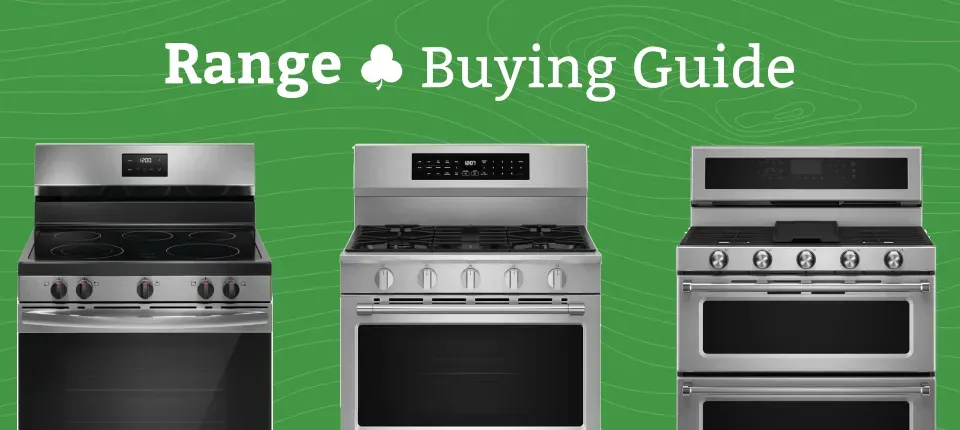
Choose the Right Fuel Source
Watch Our Electric, Gas, And Dual Fuel Ranges Video »
One of the first decisions you’ll make when shopping for a range is the fuel type. Each option offers unique benefits depending on how you cook and what utilities are available in your home.
Gas Ranges
Gas ranges provide instant heat and precise temperature control, making them a favorite among home cooks who want responsive performance. Open flames allow for easy visual control and work well with a wide variety of cookware.
Gas ranges are ideal if you enjoy hands-on cooking techniques like sautéing, simmering, and searing. Many models also include powerful burners for high-heat cooking and low simmer settings for delicate dishes.
Electric Ranges
Electric ranges are known for consistent oven temperatures and straightforward operation. They’re available with coil or smooth-top cooking surfaces and are often easier to install in homes without gas hookups.
These ranges work well for bakers who value even heat distribution and predictable results. Electric models also tend to offer a wide range of price points, making them accessible for many households.
Induction Ranges
Induction cooking uses electromagnetic technology to heat cookware directly rather than heating the surface itself. This allows for faster cooking, precise temperature control, and improved energy efficiency.
Induction ranges are especially appealing for busy households thanks to their speed and safety features. Because the cooktop stays relatively cool, spills are less likely to bake on, making cleanup easier.
Dual Fuel Ranges
Dual fuel ranges combine a gas cooktop with an electric oven, offering the best of both worlds. You get the responsive control of gas burners paired with the consistent baking performance of an electric oven.
These ranges are a popular choice for serious home cooks who want maximum versatility and performance in one appliance.
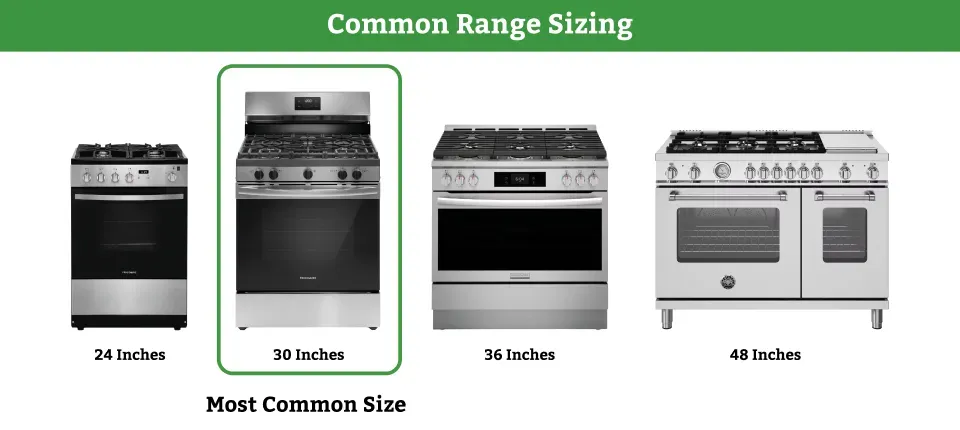
Choose the Right Range Size
Watch Our Range Sizing Video »
Range size plays a major role in how well the appliance fits your kitchen and supports your cooking needs.
Standard ranges are typically 30 inches wide, which fits most kitchens and offers ample cooking space for everyday meals. Smaller ranges, such as 20- or 24-inch models, are ideal for apartments, condos, or compact kitchens.
Larger ranges, 36 inches and wider, offer more burners, expanded oven capacity, and professional-style performance. These models are well-suited for larger households or anyone who frequently cooks multiple dishes at once.
Before choosing a size, always measure your available space carefully, including surrounding cabinetry and ventilation requirements.
Understanding Induction Cooking
Watch Our Induction Range Video »
Induction ranges deserve special consideration because they operate differently than traditional gas or electric models. Instead of generating heat on the surface, induction cooktops create a magnetic field that heats compatible cookware directly.
This results in faster boiling times, precise temperature changes, and improved energy efficiency. Induction cooking also enhances safety, as the cooktop surface cools quickly once cookware is removed.
If speed, control, and easy cleanup are priorities, induction is worth exploring.
Convection Cooking Explained
Watch Our Convection Range Video »
Many modern ranges feature convection ovens, which use a fan to circulate hot air evenly throughout the oven cavity. This technology helps reduce hot spots and improves cooking consistency.
Convection ovens are ideal for baking, roasting, and cooking multiple trays of food at once. They can also reduce cooking times and improve browning, making them a valuable feature for busy kitchens.
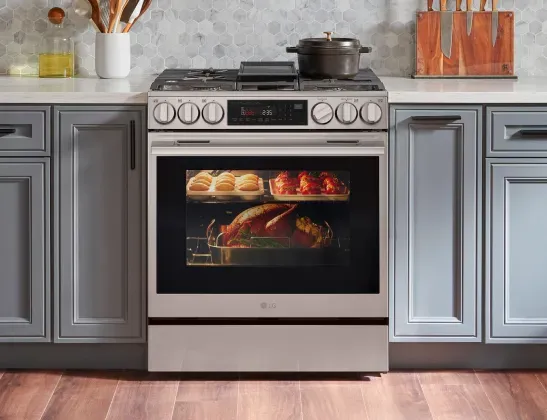
Range Controls: Knobs vs. Touch Controls
Watch Our Front Control vs Rear Control Video »
Range controls affect both usability and aesthetics. Traditional knob controls offer tactile feedback and are easy to operate, even with wet or gloved hands.
Touch controls provide a sleek, modern look and allow for advanced programming options. Some ranges combine both styles, offering knobs for burners and touch panels for oven functions.
Your choice should balance convenience, design preferences, and how comfortable you feel using digital interfaces.
Coil vs. Smooth Top Electric Cooktops
Watch Our Coil Vs Smooth Guide Video »
Electric ranges come with either coil or smooth-top cooktops.
Coil cooktops are durable and budget-friendly, making them a practical option for everyday use. Smooth-top cooktops offer a flat glass surface that’s easier to clean and provides a more modern appearance.
Smooth-top models pair well with contemporary kitchens, while coil cooktops remain a reliable, cost-effective choice.
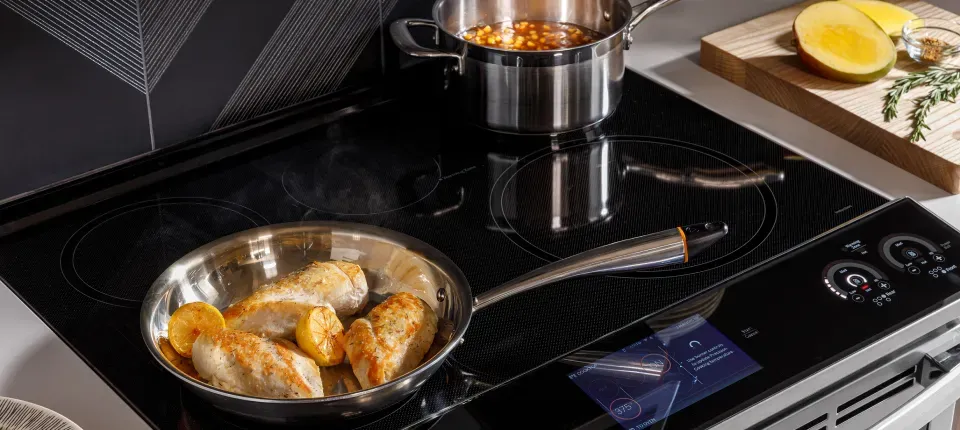
Smart Features and Connected Cooking
Watch Our Smart Features In Ranges Video »
Smart ranges add convenience by allowing you to monitor and control cooking functions remotely. Features may include preheating from a smartphone, receiving alerts when cooking is complete, or integrating with voice assistants.
These features are especially helpful for multitasking households and busy families who want more control and flexibility in the kitchen.
Special Features That Add Value
Many ranges include additional features designed to enhance cooking performance and convenience. These may include warming drawers, air fry modes, self-cleaning cycles, and high-powered burners.
When comparing ranges, consider which features you’ll actually use regularly rather than focusing solely on having the most options.
Range Customizations and Style Options
Watch Our Range Customizations Video »
Ranges come in a variety of finishes, handle styles, and configurations to match your kitchen design. Slide-in and freestanding models offer different installation looks, while professional-style ranges add a bold focal point.
Customization options allow you to choose a range that complements your kitchen’s aesthetic while still delivering the performance you need.
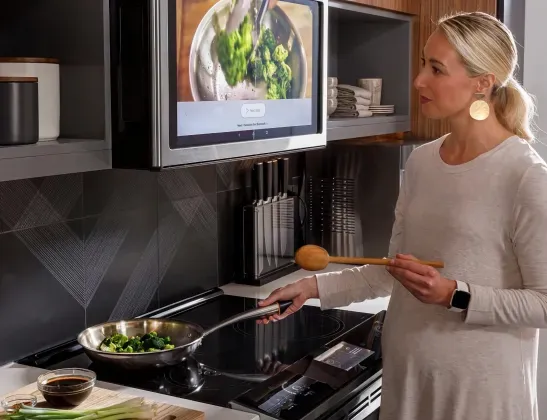
Find the Right Range for Your Kitchen at Kelly’s Appliances
Choosing the right range means balancing performance, size, features, and style. By understanding your cooking habits and kitchen layout, you can select a range that supports your daily routine and enhances your overall cooking experience.
Explore the full selection of kitchen ranges at Kelly’s Appliances to find the model that fits your needs and lifestyle. We offer a full catalog of cooking appliances from top brands in the industry with personalized expert service to ensure you get the perfect appliance for your home living space.
Visit us in Salem, Corvallis, Eugene, or Central Point to view the latest appliances in person and see which unit fits your home and budget.
Related readings from our blog:
FAQs: Range Buying Guide
What is the most popular range size?
Most homes use a 30-inch range because it fits standard cabinetry and offers ample cooking space.
Is induction better than electric?
Induction offers faster heating and greater efficiency, while electric ranges are typically more affordable and widely compatible.
Do slide-in ranges cost more than freestanding models?
Slide-in ranges often cost more due to their design and integrated appearance.
Are convection ovens worth it?
Yes, convection cooking improves heat distribution and can reduce cooking time for many recipes.
Can I switch from electric to gas?
Switching fuel types may require additional installation considerations, including gas lines or electrical upgrades.
Related Articles