
Energy-Efficient Appliances: How to Save on Utility Bills
Fri Mar 13 2026
- Tips & Tricks
Rising energy costs have made many Oregon homeowners more aware of how much electricity and water their appliances use. The good news? Upgrading to energy-efficient appliances can significantly reduce household utility expenses while supporting a more sustainable lifestyle.
If you’re looking for practical ways to start saving on utility bills, investing in modern, eco-friendly appliances is one of the most effective long-term solutions. This guide explains how energy-efficient appliances work, which upgrades make the biggest difference, and how to choose the right models for your home.
What Are Energy-Efficient Appliances?
Energy-efficient appliances are designed to use less electricity, water, or gas compared to older or standard models. They achieve this through:
-
Advanced motor technology
-
Improved insulation
-
Smarter sensors
-
Optimized water usage
-
Enhanced airflow systems
These improvements allow appliances to perform at high levels while reducing wasted energy.
Many modern appliances are engineered not only for performance but also for sustainability, helping homeowners balance comfort, cost, and environmental responsibility.
Why Energy Efficiency Matters
1. Lower Monthly Utility Bills
Appliances account for a large portion of home energy consumption. Refrigerators run 24/7, washers use water and electricity, and dryers consume high levels of heat energy. Choosing efficient models reduces energy draw, which directly impacts your monthly utility costs.
Even moderate reductions in energy usage can add up to noticeable savings over the lifespan of an appliance.
2. Long-Term Cost Savings
While energy-efficient appliances may sometimes have a higher upfront cost, they often pay for themselves over time through:
-
Reduced electricity bills
-
Lower water usage
-
Fewer maintenance issues
The total cost of ownership is often lower compared to outdated models.
3. Environmental Benefits
Eco-friendly appliances reduce greenhouse gas emissions by lowering overall energy demand. They also use water more responsibly, which is especially important in areas prone to drought or water restrictions.
Making efficient choices supports both your household budget and broader sustainability goals.
Which Appliances Have the Biggest Impact?
Not all appliance upgrades deliver the same savings. Here are the categories where efficiency makes the most noticeable difference.
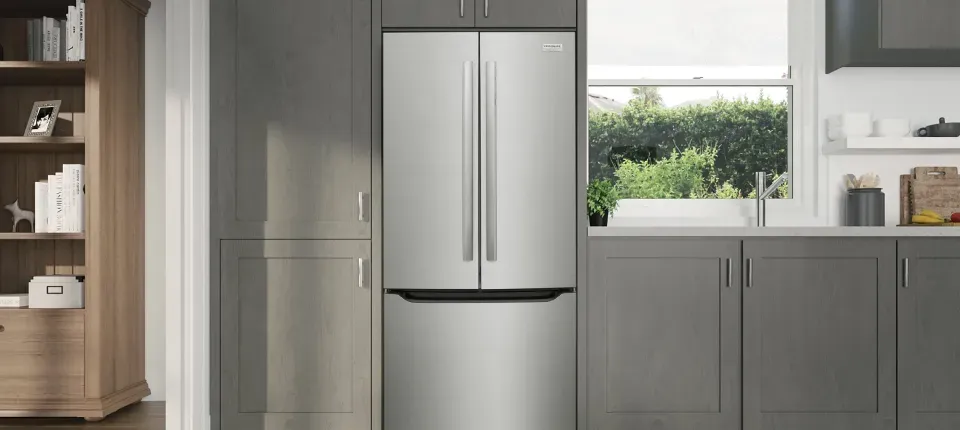
Refrigerators: Always On, Always Important
Refrigerators operate continuously, making them one of the largest energy consumers in most homes. Newer models are significantly more efficient than units manufactured even a decade ago.
Energy-efficient refrigerators typically feature:
-
Improved insulation
-
LED interior lighting
-
Variable-speed compressors
-
Optimized airflow systems
Upgrading an older refrigerator can immediately reduce energy consumption and improve temperature consistency.
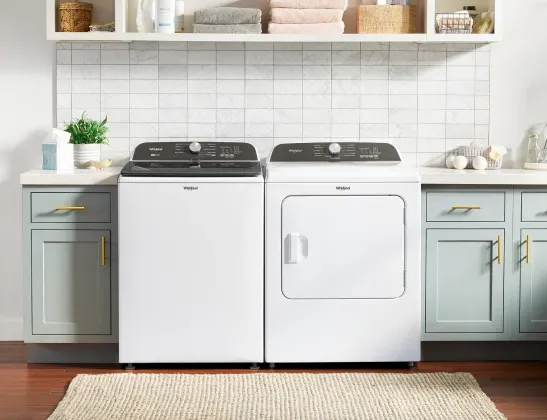
Washers and Dryers: Water and Energy Savings
Laundry appliances use both electricity and water, making them prime candidates for efficiency upgrades.
High-Efficiency Washers
Modern high-efficiency washers:
-
Use less water per load
-
Spin at higher speeds to remove more moisture
-
Reduce drying time
Washers using less water means less energy is required to heat it, a double savings benefit.
Energy-Efficient Dryers
Dryers with moisture sensors automatically stop when clothes are dry, preventing unnecessary energy use. Some models also feature heat pump technology for greater efficiency.
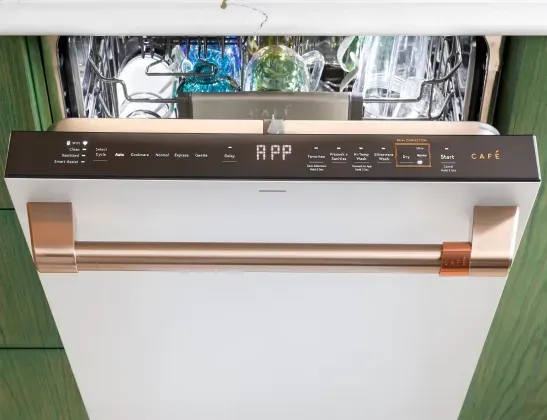
Dishwashers: Efficient Water Use
Older dishwashers can use significantly more water per cycle than modern models. Energy-efficient dishwashers are designed to:
-
Optimize spray patterns
-
Use advanced filtration systems
-
Adjust water levels automatically
Many homeowners are surprised to learn that modern dishwashers often use less water than handwashing.
Ranges and Cooktops: Smarter Cooking Energy
While cooking appliances are used intermittently, upgrading can still improve efficiency.
Induction cooktops, for example:
-
Heat cookware directly
-
Reduce heat loss
-
Cook faster
Convection ovens circulate air more evenly, often reducing cooking time and overall energy use.
Key Features to Look for in Eco-Friendly Appliances
When shopping for energy-efficient appliances, look for features that support savings and performance:
Smart Sensors
Sensors automatically adjust cycles based on load size, moisture level, or temperature, preventing unnecessary energy usage.
Variable-Speed Motors
These motors operate more efficiently by adjusting performance levels instead of running at full power constantly.
Improved Insulation
Better insulation in refrigerators and ovens helps maintain temperatures with less energy.
Eco Modes
Many modern appliances include eco settings designed specifically to minimize resource use.
Small Habits That Maximize Appliance Efficiency
Even the most efficient appliances perform best when used properly. Combine new appliances with these smart habits:
-
Run full dishwasher and washer loads
-
Use cold water for laundry when possible
-
Keep refrigerator coils clean
-
Avoid overloading dryers
-
Set refrigerator temperature correctly
Small adjustments can enhance savings over time.
When Is It Time to Upgrade?
You may want to consider replacing an appliance if:
-
It is more than 10-15 years old
-
Energy bills have steadily increased
-
Repairs are becoming frequent
-
Performance has declined
Newer models are significantly more efficient than older ones, meaning even functional appliances may be costing you more than necessary.
The Long-Term Value of Energy-Efficient Appliances
Investing in energy-efficient appliances supports:
-
Predictable monthly utility costs
-
Lower environmental impact
-
Modern performance features
-
Increased home appeal
As energy prices fluctuate, efficiency becomes an increasingly important factor in long-term household budgeting.
Choosing eco-friendly appliances is not just a trend, it’s a practical strategy for long-term savings and responsible homeownership.
How Kelly’s Appliances Can Help with Energy-Efficient Appliances
At Kelly’s Appliances, we offer a wide selection of energy-efficient appliances designed to support performance, reliability, and savings.
Whether you're upgrading your refrigerator, replacing your laundry pair, or remodeling your entire kitchen, our team can help you compare features, understand efficiency benefits, and select models that align with your goals.
Visit one of our showrooms in Salem, Corvallis, Eugene, or Central Point to explore options in person and speak with knowledgeable specialists about maximizing energy savings in your home.
Related readings from our blog:
FAQs: Energy-Efficient Appliances: How to Save on Utility Bills
Do energy-efficient appliances really save money?
Yes. While upfront costs can vary, reduced electricity and water usage typically lead to long-term savings.
Which appliance upgrade saves the most?
Refrigerators and laundry appliances often provide the most noticeable impact because of how frequently they’re used.
Are eco-friendly appliances less powerful?
No. Modern energy-efficient appliances are engineered for both performance and resource savings.
How long does it take to see savings?
Many homeowners notice reduced utility bills within the first few months after upgrading.
Is it worth replacing a working appliance?
If your appliance is older and inefficient, replacing it may lower long-term costs even if it still functions.
Related Articles